

Pipedream Products’ Kristian Broms shares how he rebuilt an iconic collection by challenging assumptions, embracing stewardship and redefining what leadership looks like in today’s pleasure products industry.
(Note: This article was originally published in the August 2026 issue of SE Magazine.)
Some stories are easy to write. A company launches a new product or collection, introduces a few new features, updates the packaging and moves on to the next release. Rinse, repeat. After more than 20 years covering this industry, I’ve written more of those stories than I can remember.
This isn’t one of them.
I’ve known Kristian Broms for much of my career. I’ve interviewed him more times than either of us could probably count, walked with him through Pipedream’s manufacturing operation in Chatsworth and watched from afar as he supported the company’s transition to a much more modern facility in Mexico, which led to periods of remarkable growth that forever changed consumer expectations, all while facing more than a few market disruptions and downturns. Over the years, we’ve also shared plenty of post-trade show conversations (and drinks) that became far more interesting once we went “off the record.”
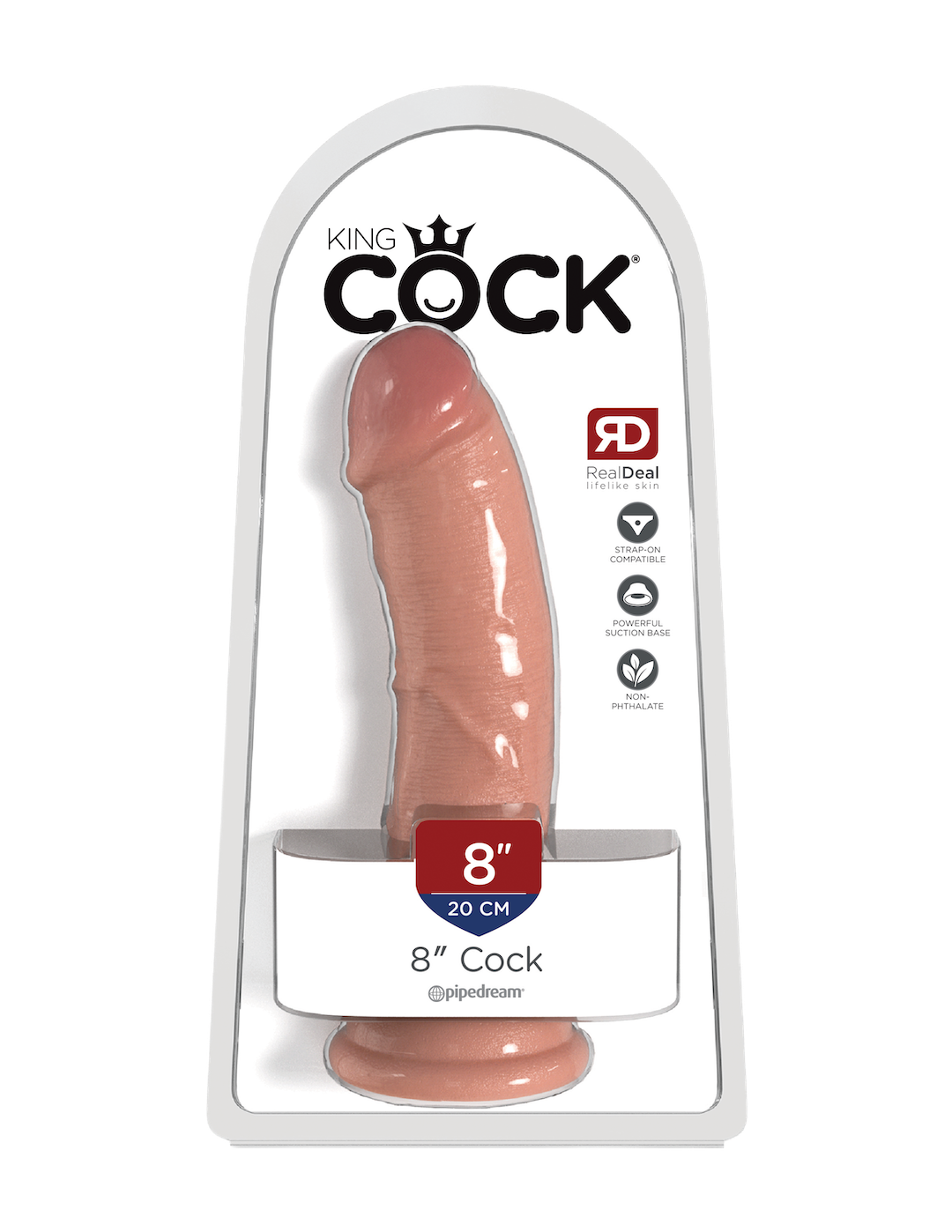
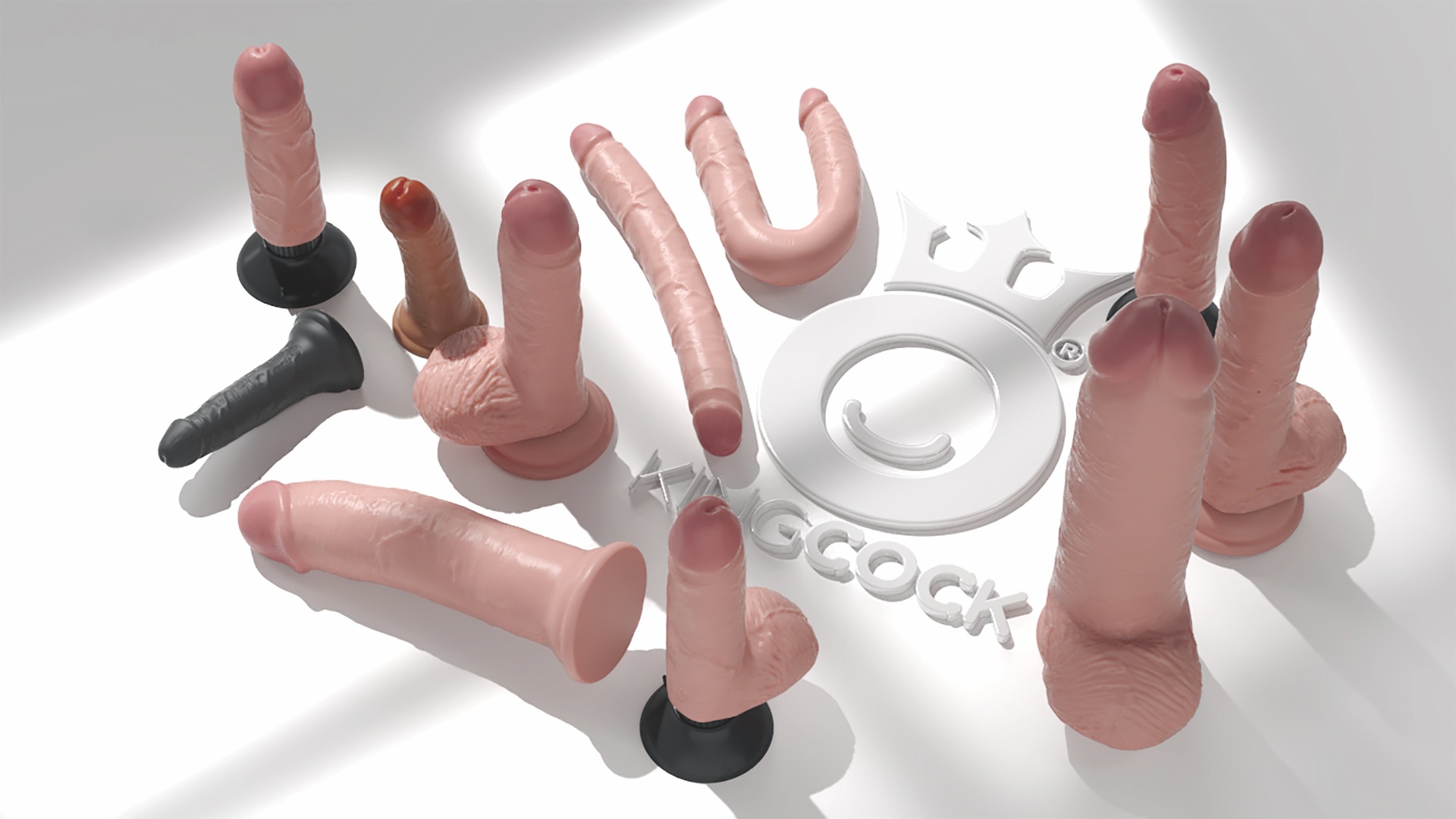
So, when Pipedream announced the relaunch of King Cock Original, I assumed I already knew the story. On paper, it was an impressive undertaking. Every product in the collection had been retooled from the ground up. The company had selected a premium German PVC formulation, redesigned the packaging using crystal-clear recyclable PET, standardized and improved the suction cups, strengthened the shipping cartons and rebuilt the manufacturing process from soup to nuts. At the same time, the original sculptures remained intentionally unchanged — big, girthy, envious to us realistically endowed mortals — allowing existing inventory and the new collection to sit side by side on retail shelves without disrupting one of the industry’s most recognizable brands. That’s the story I expected to write.
It isn’t the story you’re about to read.
At some point during our conversation, we stopped talking about products and started talking about something much larger. Leadership. Stewardship. You know, the usual open-ended topics a couple of 40ish-year-old dads tend to digress into after a discussion on rubber phalluses. Other things, too, like organizational culture and the discipline required to question decisions that had served a company well for nearly two decades.
By the time we closed our notebooks, we’d spent surprisingly little time talking about dildos. King Cock had simply become incidental, the case study, a visual metaphor that concerns the totality of our industry as a whole. Or perhaps it was just two dudes riffing when there was nothing left to say about the World Cup.
SE: So, let’s start with the obvious question. King Cock has been one of the industry’s most recognizable brands for nearly 20 years. Why revisit it now?
Broms: That’s a much more difficult question than it sounds, because it wasn’t one thing. It was several things coming together over time. We were beginning to simplify our overall portfolio and preparing to transition manufacturing. Materials had improved. Consumer expectations had evolved. As a team, we found ourselves asking a question that ultimately became the foundation for the entire project: “Knowing everything we know today…would we still build it this way?” Once we answered that honestly, there was no going back.
SE: Listening to you now, you’re making it sound almost inevitable. I have a feeling it didn’t feel inevitable while you were living through it.
Broms: Not at all. Looking back, it’s easy to connect the dots and tell a clean story. But then, we were making one decision at a time, testing our assumptions, challenging each other and constantly asking whether we were headed in the right direction. There wasn’t one defining moment where everything suddenly became obvious. The confidence came gradually because each decision reinforced the next.
SE: So, this wasn’t a case of waking up one morning and deciding to reinvent King Cock?
Broms: No, and I think that’s an important distinction. We weren’t trying to reinvent the brand. We were trying to become better stewards of it. We wanted to understand why certain decisions had stood the test of time —and whether we’d still make those same decisions today.
SE: That’s a very different starting point. Most people begin by asking, “What should we build?” You’re starting with a completely different question.
Broms: Experience changes your perspective. Early in my career, I naturally focused almost exclusively on the product design itself. Over time, you begin to realize that every product is really the result of hundreds of decisions that happened long before the first prototype existed. You don’t only ask, “How do we build this?” but also, “Why are we building it in the first place?”
SE: And if the answer isn’t convincing?
Broms: Then we owe it to ourselves to keep asking questions. One question kept coming up throughout this project: “If this product didn’t already exist in our catalog, would we choose to launch it today?” That’s a surprisingly difficult question because it forces you to separate history from opportunity. Some products passed that test immediately. Others didn’t. Once we looked at the collection through that lens, the decisions became much clearer.
SE: That sounds like a much bigger exercise than product development.
Broms: It was. One of the things we discovered as a team is that the hardest thing a successful company can do is challenge the very decisions that made it successful in the first place. Success has a way of creating its own momentum. Before long, you’re defending decisions simply because they’ve worked before. This project forced us to ask whether we’d make those same decisions again today. That wasn’t always comfortable, but it was incredibly valuable.
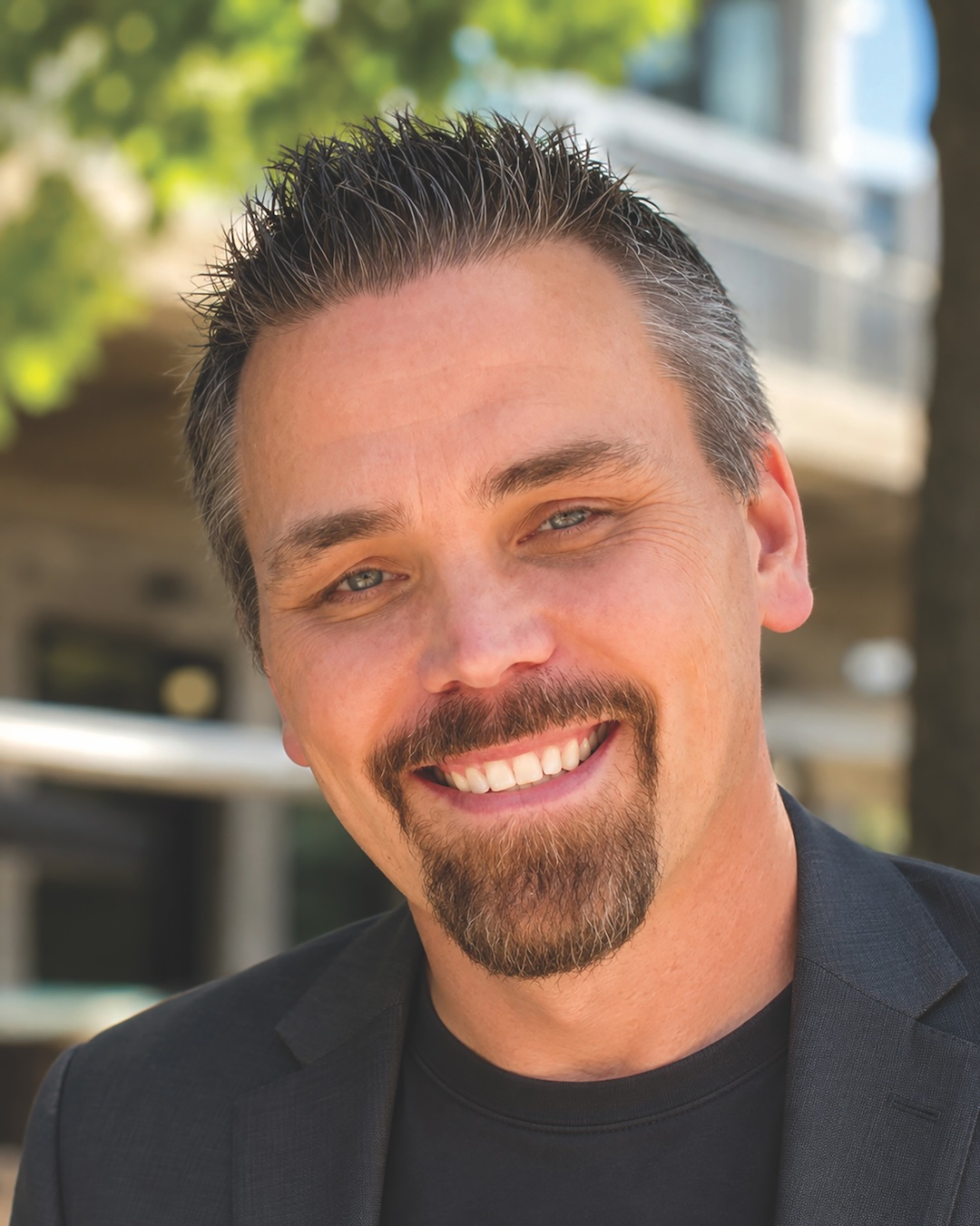
One question kept coming up throughout this project: ‘If this product didn’t already exist in our catalog, would we choose to launch it today?’ That’s a surprisingly difficult question because it forces you to separate history from opportunity.
— Kristian Broms
SE: So what happened when you started applying that thinking across the business?
Broms: We found ourselves making decisions that probably would’ve been much harder a few years ago. Instead of asking how we could expand a category, we started asking how we could strengthen it. Those aren’t always the same thing. Sometimes the best decision isn’t introducing another product, it’s making the existing portfolio healthier and easier for our customers to navigate.
SE: King Cock is probably the best example of that.
Broms: I think it is. At one point, the collection had grown to well over 200 SKUs. Some were exceptional performers. Others had simply remained because there hadn’t been a compelling reason to remove them. Rebuilding the collection gave us the opportunity to evaluate every single SKU with fresh eyes.
SE: That sounds straightforward on paper. I imagine it wasn’t.
Broms: Not at all. Every SKU has a history. Every SKU has customers, and every SKU has people inside the company who remember why it was introduced. Those aren’t decisions you make casually. But we kept coming back to the same principle: if this product didn’t already exist today, would we choose to launch it? Some products answered that question immediately. Others didn’t.
SE: And today?
Broms: Every remaining SKU has earned its place. Not because it’s old. Not because it’s new. Because it consistently delivers value to retailers, distributors and consumers. That’s a much healthier standard than simply measuring success by the size of a catalog.
SE: It’s interesting, the more we talk, the less this sounds like a conversation about reducing products.
Broms: Because it isn’t. It’s about becoming more deliberate. Nobody wakes up hoping to manage a larger catalog. They want to build a stronger business. Sometimes those are the same thing. Sometimes they aren’t.
SE: Everything you’re describing sounds great in theory. But retailers don’t buy theories. They buy products. At some point, all of this has to translate into a healthier business for your customers.
Broms: I couldn’t agree more. None of this matters if it doesn’t create value for the people we do business with every day. Retailers don’t need more products. They need products that earn their place on the shelf, generate repeat sales and give consumers a reason to come back. That’s the standard we should be holding ourselves to as manufacturers.
SE: And I’m sure most retailers agree because they’re dealing with the same questions. Shelf space isn’t getting any bigger, and inventory dollars aren’t unlimited.
Broms: Exactly. One of the biggest mistakes manufacturers can make is assuming our responsibility ends when we ship a product. It doesn’t. Every SKU we ask a retailer or distributor to carry occupies shelf space, ties up working capital and competes for attention. If our products aren’t helping our customers build a healthier business, then we’re not doing our job.
SE: You told me once that inventory is like fish.
Broms: (Smiles.) Maybe it’s not the most glamorous analogy…but it’s true. Dead inventory is like fish. The longer it sits, the more it stinks. Everybody loses. Retailers lose shelf space. Distributors tie up warehouse capacity and working capital. Manufacturers end up supporting products that aren’t contributing to anyone’s success. Healthy inventory benefits everyone. That’s one of the reasons we’ve become so deliberate about building a more focused portfolio.
SE: That’s probably not something most people expect to hear from a manufacturer.
Broms: Maybe not. But I think it’s where our industry is headed. Long-term relationships aren’t built by asking customers to buy more inventory. They’re built by helping them sell through the inventory they already have. If our retail and distribution partners are successful, we’ll be successful. That’s the kind of relationship we’re trying to build.
SE: Everything we’ve talked about so far has been about deciding what to do. Actually doing it is another matter entirely. Rebuilding an iconic product line while transitioning manufacturing sounds like one of those projects that’s easy to describe after the fact but incredibly difficult to live through.
Broms: It was. And I think part of what made it so difficult is that manufacturing had become part of Pipedream’s identity. If you walked through our facilities over the years, you would understand who we were as a company. You could see King Cock being poured, Basix products coming out of molds, massage oils being filled, products being assembled and orders leaving the dock. Manufacturing wasn’t just something we did — it was part of who we were.
SE: I remember that. You could spend an hour walking through the Chatsworth facility and almost watch the entire company come to life. You could literally watch ideas become finished products. It wasn’t just manufacturing. It felt like the heartbeat of the company.
Broms: I think that’s exactly right. There was an incredible sense of pride in making products with our own people, in our own facilities. That’s why this wasn’t simply an operational decision. We weren’t just changing where products were made. We were saying goodbye to an important chapter in our company’s history. Once we accepted that, the real work was just beginning.
After we committed to rebuilding the collection, every improvement created three more decisions. You’d solve one problem only to realize there were two more opportunities to make the product better. Before long, we weren’t just talking about tooling. We were discussing materials, packaging, shipping cartons, manufacturing processes and dozens of small refinements that most consumers will never consciously notice, but they’ll absolutely experience.
SE: We’ve talked a lot about strategy, but there’s another side to this story that most people will never see. Closing a manufacturing operation of that size isn’t as simple as turning off the lights. You’re balancing production schedules, inventory, tooling, equipment, raw materials, staffing and customer demand. All while standing up an entirely new manufacturing operation. That had to be one of the most challenging parts of the entire project.
Broms: Without question. It required months of planning and an incredible amount of coordination across every part of the company. The measure of success was actually pretty straightforward: our customers should never experience the complexity happening behind the scenes. If we did our job well, products would continue flowing while one chapter was coming to an end and another was just beginning.
The reality, though, is that no transition of this size is ever completely seamless. While we worked incredibly hard to minimize disruption, there were times when some of our customers experienced delays or temporary interruptions, and for that, we’re genuinely sorry. We appreciate the patience and understanding our retail and distribution partners have shown throughout this process. Their support gave us the opportunity to make long-term improvements that we believe will benefit everyone for years to come.
More than anything, though, I’d like to recognize our entire team in Mexico. They built an operation that we’re incredibly proud of, and they approached its final chapter with the same professionalism, dedication and pride that defined it from the very beginning. Closing a manufacturing facility is never easy. There are thousands of details to manage, difficult decisions to make and a tremendous amount of work that most people will never see. Our team handled every one of those challenges with remarkable commitment and professionalism.
SE: I’m glad you said that. It’s easy to celebrate new beginnings. It’s just as important to recognize the people who helped build the chapter that came before. Now, let me pull us back to where we started. After everything we’ve talked about today, it’s almost funny to come back to the products themselves. But I probably should. Once all of these decisions had been made, where did you start?
Broms: With the details. Once we committed to rebuilding the collection, there really wasn’t a “good enough” option anymore. Nothing was considered too small to revisit. We looked at every product, every mold, every package, every shipping carton, every manufacturing process and asked ourselves the same question: Can we make this better without changing what made people fall in love with it in the first place?
Dead inventory is like fish. The longer it sits, the more it stinks.
— Kristian Broms
SE: One thing that surprised me before we got started today is that you kept talking about suction cups. It isn’t the kind of feature that usually makes the front of the box, but it clearly mattered. Why?
Broms: (Smiles.) It did. Because it’s a perfect example of how we approached the entire relaunch. We looked at every detail, even the ones most people never think about until they stop working the way they should. Over the years, different suction cup sizes have evolved across the collection. Rebuilding the line allowed us to standardize them, improve their design and holding power and make them fully compatible with our patented BodyDock system. It may not be the headline feature, but it’s one of those refinements that quietly make the overall experience better.
SE: That’s probably one of those improvements many consumers will never consciously think about.
Broms: Maybe not, and that’s perfectly okay. Consumers don’t spend their time thinking about material formulations or suction cup geometry. They shouldn’t have to. Our responsibility is to think about those things for them. If the product feels better, performs more consistently, has less odor, lasts longer or simply works the way it’s supposed to every single time, then we’ve done our job, even if the customer never knows exactly why.
SE: Let’s talk about the material itself. You already had a formulation with an excellent reputation. Why change it?
Broms: That’s an important point because I never want people to think we’re diminishing what came before. The material we used in Mexico was already outstanding. It was manufactured in the US by a Fortune 500 company and was considered state-of-the-art at the time. This project simply allowed us to raise the bar one more time.
We selected a premium non-phthalate PVC formulation manufactured in Germany that’s virtually odorless, exceptionally stable and remarkably consistent. Materials continue to evolve, and rebuilding the collection gave us the opportunity to take advantage of those advances while preserving the realism and feel people have always associated with King Cock.
One thing I never want people to take away from this interview is that we somehow regret what we built in Chatsworth or Mexico. Quite the opposite. We couldn’t have become the company we are today without those chapters. This isn’t about walking away from our past. It’s about respecting it enough to build the next chapter just as thoughtfully.
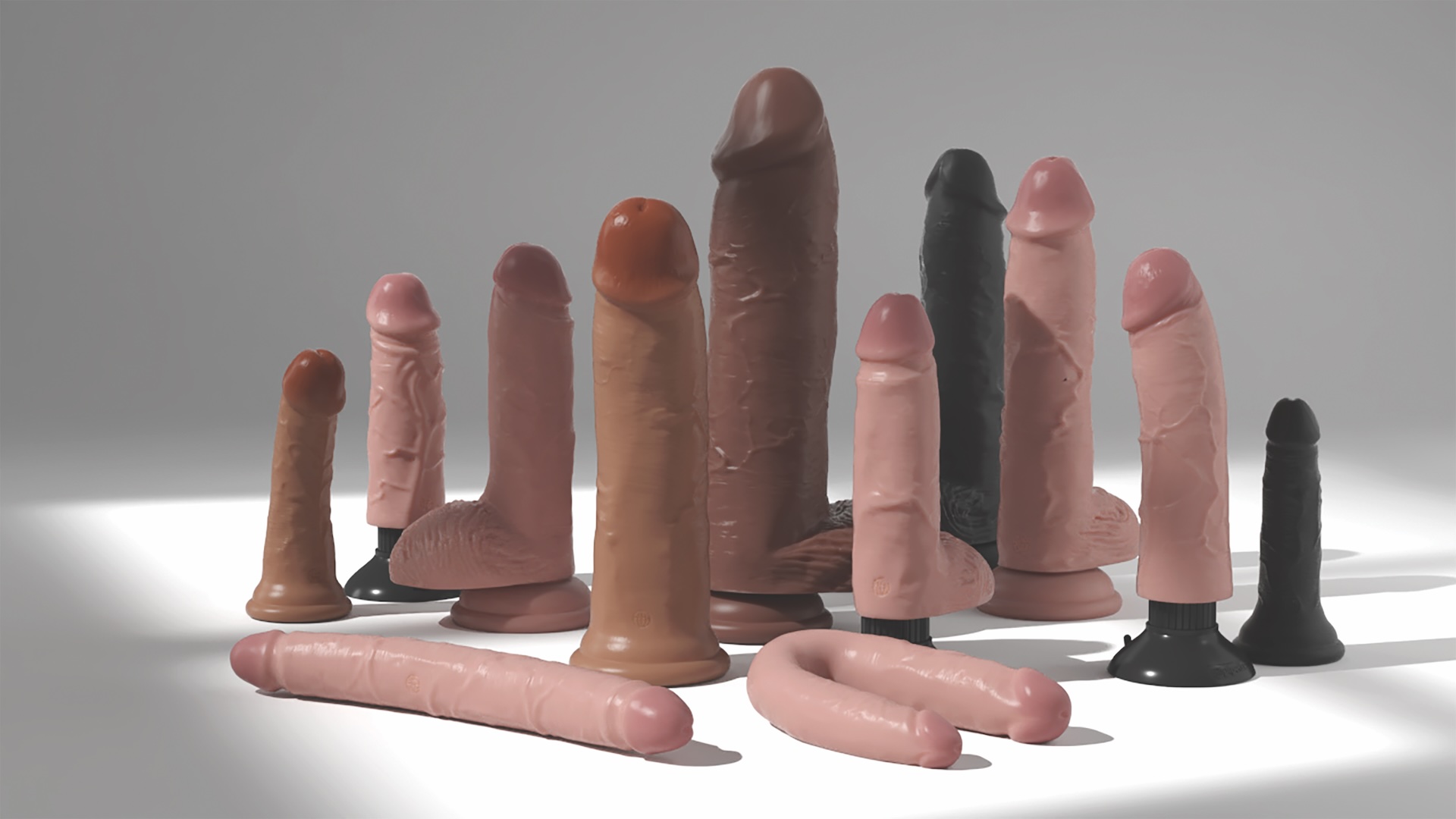
SE: It sounds like you spent just as much time deciding what not to change as what to change.
Broms: I think that’s right. We retooled every product in the collection, so technically we could have changed anything we wanted. But those original sculptures have nearly 20 years of history behind them. Consumers know them. Retailers know them. They helped establish the identity of the brand. We felt our responsibility wasn’t to reinvent them. It was to preserve what people loved while improving everything around them. Sometimes the hardest part of design isn’t knowing what to add. It’s knowing what to leave alone.
SE: I’ve noticed throughout our conversation that you keep using the word “we.” That’s not always the case when I interview executives.
Broms: That’s because this was never one person’s project. It couldn’t have been. Design doesn’t happen in isolation. Manufacturing doesn’t happen in isolation. Neither does strategy. Every decision we’ve talked about today involved talented people across design, engineering, manufacturing, quality, operations, sales, marketing, finance and leadership. Different perspectives made the products better. Different experiences made the decisions better. I keep saying “we,” because that’s how this happened.
SE: That also tells me there must have been some pretty spirited discussions along the way.
Broms: There were. And I’m glad there were. One thing I appreciate about our team is that titles don’t end discussions. We have incredibly experienced people throughout the company, and everyone is encouraged to challenge ideas. My ideas get challenged all the time. And they should. That’s how good products get built.
SE: I guess that doesn’t always make for the quickest meetings.
Broms: Definitely not. But I’d be much more concerned if everyone agreed all the time. Healthy debate usually leads to better decisions. The important thing is that once we’ve challenged the ideas, debated the options and made a decision, we move forward together as a team.
SE: You know, if I hadn’t known why we were sitting down today, I’m not sure I would’ve guessed this was an interview about a product relaunch.
Broms: I don’t think either of us expected the conversation to go this direction.
SE: We started out talking about King Cock. Somewhere along the way, we ended up talking about leadership, culture, decision-making and the future of the business.
Broms: I think somewhere along the way, King Cock stopped being the project. It became the catalyst for a much bigger conversation. We thought we were rebuilding a product line. Looking back, we did that, but we really ended up improving how we worked together as an organization. That’s a very valuable lesson of the entire project because it’ll influence decisions we make long after this relaunch is behind us.
SE: Let me ask you one final question. When you look back on this, years from now, what do you hope people remember?
Broms: I hope they remember that we respected what came before while having the courage to improve it. Most of all, I hope they look at King Cock and simply think we cared. We cared enough not to take a brand with nearly 20 years of history for granted. We questioned our own assumptions, even when it would’ve been easier not to. We retooled every product instead of taking shortcuts, but we also had the discipline to leave the things that already worked alone.
At the end of the day, we wanted to be good stewards of a brand that has meant so much to this company, our retail partners and tens of millions of consumers around the world over the past two decades. If people feel we’ve left King Cock stronger than we found it, then I’d say we accomplished what we set out to do.
For more information, visit pipedreamproducts.com.










You must be logged in to post a comment.