

The closing of the ANME Founders Show after 30 years marks the end of an era and leaves retailers, vendors and the industry with a very practical question: Which shows matter now?
(Note: This article appears in the October 2026 issue of SE Magazine.)
In the mid ‘90s, as adult toys began emerging from the shadow of the film business, the manufacturers who saw the shift coming built a trade show of their own. Created by adult retail manufacturers for the adult retail industry, the annual ANME Founders Show gave a rapidly expanding retail sector a place to do business, discover new products and build relationships.
Over its 30-year lifetime, however, ANME became more than a trade show. With its accommodations, hospitality and familiar rituals, it became something our industry simply did every July. ANME became as predictable and expected as summer weather in Southern California. In fact, it achieved what all trade shows aspire to be: Necessary.
So, when the announcement came that ANME would close its doors after three decades, the reaction across the industry wasn’t simply about losing another place to walk a show floor, pass out hugs and look at product. It was about losing one of the industry’s few remaining places where business and relationships happened to bubble simultaneously in the same room. Or tent, depending on where you happened to be at the Marriott.
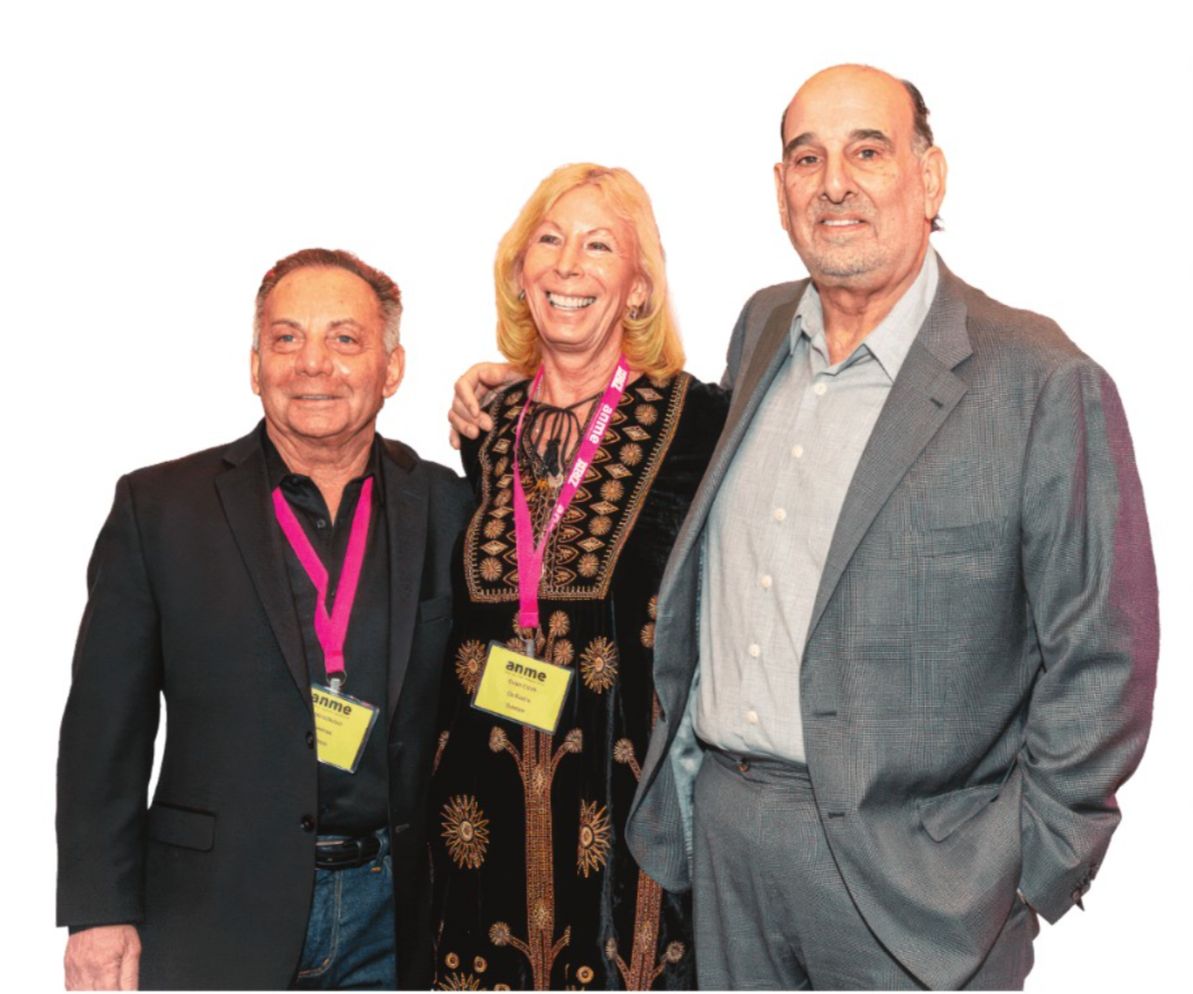
ANME’s remaining founders — Susan Colvin of CalExotics, Elliot Schwartz of Nasstoys and Ron and Chad Braverman of Doc Johnson — put it plainly in their closing message: What began as an exclusive B2B convention for discovering new products grew into something considerably larger, a place to build relationships, exchange ideas, celebrate successes and create friendships that extended well beyond the confines of the hotel.
For retailers, that history is worth remembering. But the more important question is what ANME’s closing says about the business you’re running today.
Weeks after the sudden announcement, Colvin, the stateswoman she has consistently proven herself to be within our industry, as well as the businesswoman this industry has repeatedly turned to in times of change, said the decision followed extensive conversations among the founders as the industry, the trade show landscape and the way companies conduct business changed dramatically over 30 years. The four remaining principals (with respect to the retired Marty Tucker of Topco and the late Nick Orlandino of Pipedream Products) continue to actively run their own companies, making the demands of producing the show increasingly significant.
In other words, ANME didn’t disappear because the industry stopped needing connections. It closed because the economics, expectations and mechanics of making those connections have changed.
“The next great industry event doesn’t need to be
ANME Part 2.”—Shon McLean
From industry event to industry institution
When ANME launched three decades ago, the pleasure-products business looked very different. Colvin describes an industry that was smaller, more private and significantly more stigmatized, with fewer manufacturers, fewer retail channels and limited opportunities for companies to meet in a professional business environment.
Today, pleasure products are sold through a sprawling network of brick-and-mortar retailers, e-commerce operations, marketplaces and other channels. Social media has transformed marketing. Technology has transformed products. Consumers have become more informed and more comfortable talking about sexual wellness and what they want.
The opportunity has expanded, but so has the competition. For retailers, that means the old assumption that everyone will simply gather at the same show, at the same time, because that’s what the industry has always done is becoming harder to defend.
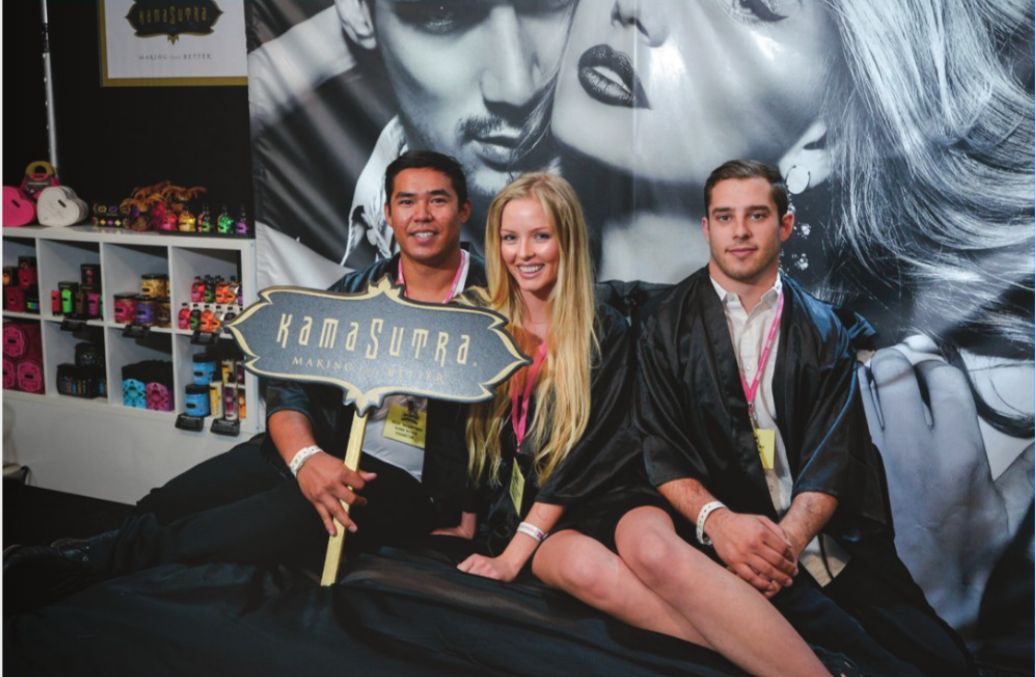
ANME itself evolved into something buyers and vendors didn’t necessarily find elsewhere. It provided an opportunity to put products directly into buyers’ hands, conduct business face-to-face and, perhaps just as importantly, spend enough unstructured time together for actual relationships to develop.
Shon McLean, account manager for COTR Inc., says that personal connection was the defining difference.
“ANME had an intimacy to it that made it easier to have genuine conversations,” McLean says. It was a place to reconnect with longtime customers, meet new buyers, introduce products and simply spend time getting to know people.”
That may sound almost quaint in an industry increasingly comfortable with Zoom calls, email campaigns, digital catalogs and online product demonstrations. It isn’t.
For a retailer deciding whether a product deserves valuable shelf space, the difference between seeing something on a screen and actually handling it can be substantial.
McLean says there is “no comparison” between putting a product directly into a buyer’s hands and presenting it digitally. A physical product allows the buyer to see the details, feel it, ask questions and immediately start considering how it might work for their customers.
The product is only half the sale
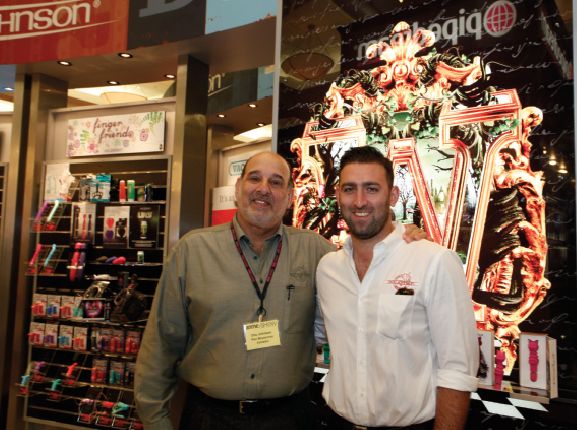
Mike Savage, owner of Miami Distro, makes a point from the other direction. For his newer company, ANME represented another opportunity to meet people face-to-face, although he says the company’s participation during ANME’s final two years did not produce tremendous success. He also points to practical problems with the final shows, including being located in the tent and dealing with air-conditioning issues and noise.
His criticism is useful precisely because it illustrates the challenge facing whatever comes next. A convention cannot survive simply because everyone remembers the good old days; it needs to achieve the three most important letters when committing to industry trade shows: R-O-I.
Savage says the industry has grown from an environment where a handful of companies essentially controlled the business to one where perhaps 100 to 150 companies can matter to stores. He remembers ANME’s earlier years as something retailers didn’t want to miss, with vendor open houses, a golf event and other activities that brought the industry together.
That old model was part business meeting, part industry reunion and part party. Today’s retailer has a different calculus. Travel costs money and staff are short enough now that every day away from the store has to justify itself.
Which means the next generation of industry events will have to give retailers a reason to show up.
For COTR’s McLean, the loss of ANME doesn’t eliminate the need for face-to-face business. It makes that need more intentional. She says ANME was particularly important to COTR because it provided uninterrupted time with buyers and served as a platform for launching holiday and Valentine’s Day offerings. The timing also positioned the show within an important buying season.
“The industry is almost unrecognizable compared with where we began.”
— Susan Colvin
Without that centralized opportunity, vendors will have to work harder to recreate it. McLean plans to do exactly that through account visits, trainings, smaller events and individual presentations rather than depending on one major show to introduce a product.
That’s a lesson retailers should take seriously.
If vendors are going to become more targeted with their time, retailers should expect more targeted selling. Product launches may increasingly happen in the store, in smaller regional gatherings, through training sessions or during individual buyer meetings. That could actually create opportunities for retailers who are willing to engage.
The industry may be losing one big room (or a big room and some tents with questionable air conditioning), but that doesn’t mean retailers have to lose access to manufacturers. It means the relationship may have to become more deliberate.
Don’t build ANME Part 2
Colvin doesn’t believe a single existing event will necessarily replace ANME. And she doesn’t think the answer is simply to recreate it.
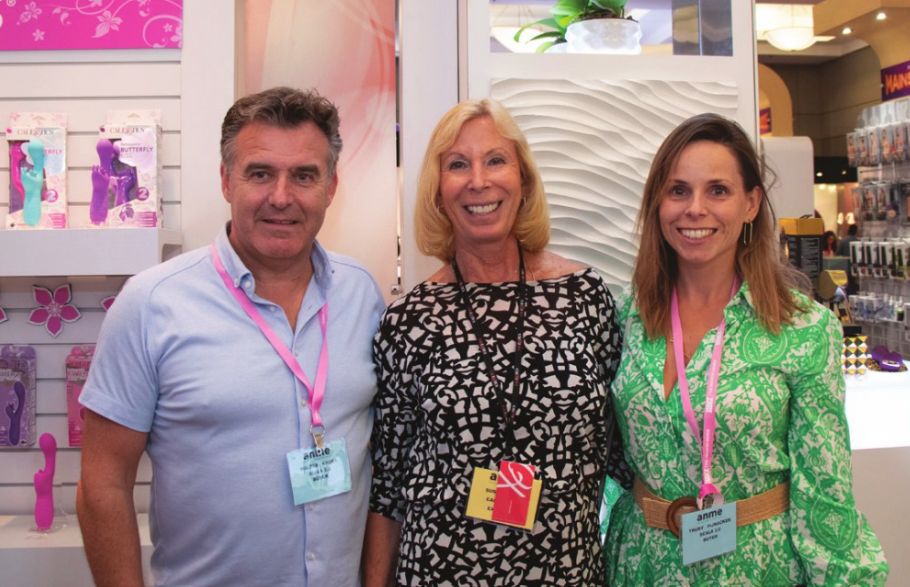
“There are other valuable industry shows,” she says, but ANME had a distinct identity because it was created by manufacturers specifically for the industry and focused heavily on business and product discovery. Its absence, she says, creates an opportunity for existing events to evolve or for something new to emerge.
That’s probably the most important point for anyone thinking about the future of industry events. Don’t recreate the past; build for the business that exists now.
Colvin suggests the future could include smaller, more focused events, regional opportunities, educational programs and digital support throughout the year. The successful model, she says, should make it easier for retailers to discover products, receive education and spend meaningful time with manufacturers while keeping personal connection at the center.
McLean arrives at a similar conclusion from the sales side. She believes a smaller, low-lift fall show could provide a useful opportunity to reconnect with customers, preview products and prepare for the next buying season without requiring the investment or scale of a major trade show.
For retailers, that model may ultimately make more sense than another sprawling convention requiring four days, expensive travel and a calendar full of meetings.
Smaller doesn’t necessarily mean less valuable; it may mean more focused.
What does this mean for retailers?
Savage points to Altitude and Stimulate as existing platforms for new-product introductions and says his company will continue releasing products regardless of whether there is a show. His approach is simple: vendors need to keep talking to and visiting customers regularly. Second, expect more responsibility to fall on retailers to decide what kind of industry gatherings are worth supporting.
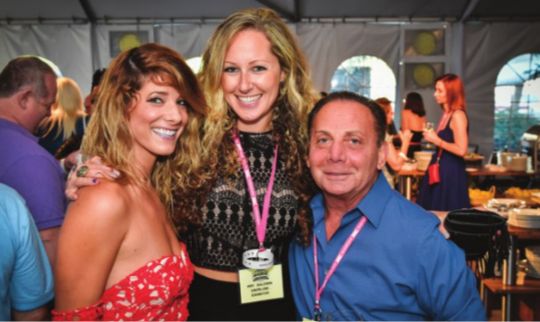
If the industry wants better events, retailers have to show up for the events that deliver value and make clear what doesn’t. Location matters. Timing matters. Education matters. Product discovery matters. Training matters. And yes, extracurriculars matter. A good circle bar is everything.
McLean points out that dinners, activities and informal conversations were part of what made ANME effective because those interactions allowed vendors and customers to develop familiarity and trust outside the traditional sales conversation.
Anyone who has spent enough time in this business knows that some of the most useful conversations don’t happen at the booth. They happen over dinners or nightcaps. Or waiting at the gate in the John Wayne Airport.
That is what ANME leaves behind: not merely a calendar vacancy, but proof that an industry can create business value by creating community.
Show’s over, business isn’t
ANME’s founders say they are proud that the show gave the industry a professional home and created a place where companies could launch products, establish partnerships and grow together. Colvin says its legacy isn’t measured simply in booths or attendance numbers, but in the connections created and the role the show played in moving the industry forward.
That’s a fitting way to close 30 years. But for retailers, the end of ANME should also be a reminder not to outsource the future of the industry to someone else. Manufacturers will find new ways to sell, distributors will find new ways to reach accounts and industry events will change.
The next successful industry gathering may be smaller. It may be regional. It may combine education and product discovery with a few strategically timed meetings. It may live partly online and partly in person. It may look nothing like ANME.
That’s fine. What shouldn’t disappear is the thing ANME did best: putting the people who make, sell and buy these products in the same room and giving them a reason to talk. Thirty years is a remarkable run. But the real test of ANME’s legacy won’t be how much the industry misses the show; it will be what the industry builds after it.
“ANME’s legacy is not measured only by the number of shows, booths or attendees,” Colvin says. “It is measured by the connections it created and the role it played in moving our industry forward. Being part of that history has been one of the great honors of my career.”
SE Awards: The Burbank Years
In 2010, the StorErotica Awards made a move that would quietly shape the magazine’s marquee event for the next 16 years. The annual celebration of adult retail and retailers was looking for a place where it could be more than another awards presentation squeezed between meetings, product launches and the relentless business of an industry trade show.
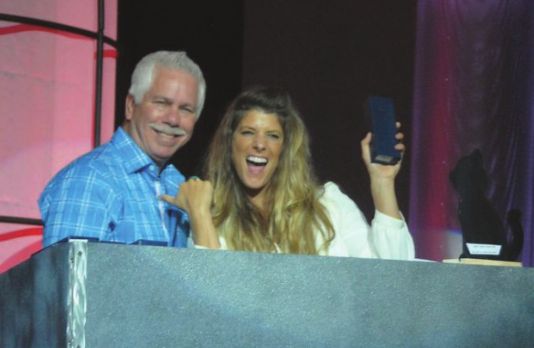
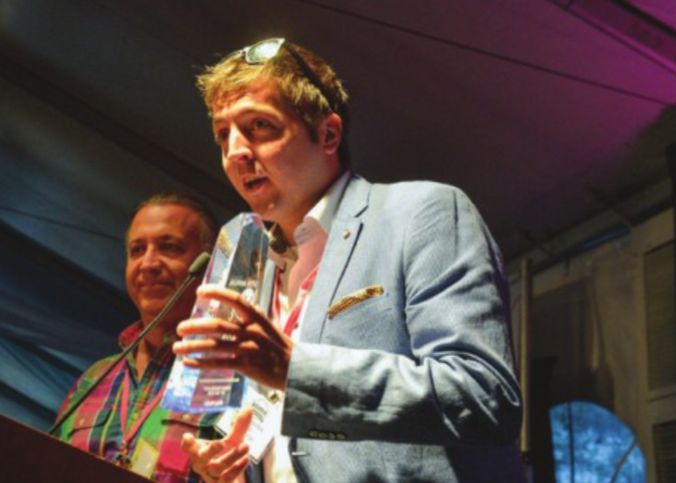
That place turned out to be the Marriott Airport Hotel in lovely Burbank, California, home to the ANME Founders Show. The arrangement began about as simply as anything in the adult industry ever does: with a handshake.
SE Managing Editor Kristofer Kay and former Pipedream CEO and ANME Founder Nick Orlandino struck a handshake deal that brought the StorErotica Awards into the ANME family. There was no elaborate negotiation, no grand corporate strategy and no need to overthink it. There was a mutual understanding that the Awards Show belonged in a room filled with the very people who made adult retail what it was.
And so they stayed.
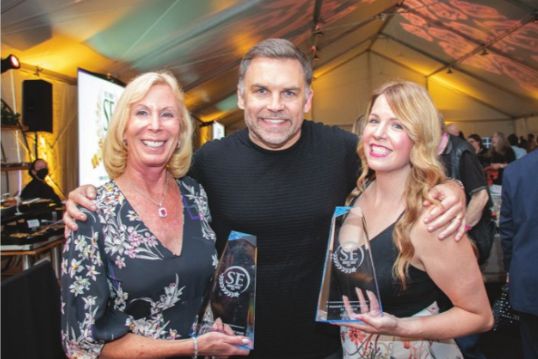
For the next 16 years, the ANME Founders Show became the home of the StorErotica Awards. Year after year, the event evolved, but its personality never changed. Hosts came and went, each bringing a little of their own character to the evening.
Phil Varone brought his unmistakable rock star energy. PR maven Sunny Rodgers added her own brand of warmth and wit. Kit Richardson, Zoe Ligon and Kim Faubel each took their turns at the microphone, helping make the show feel less like a formal industry ceremony and more like a gathering of friends who happened to be celebrating an extraordinary business.
That was always the point.
The StorErotica Awards were never intended to be the industry’s biggest, loudest or most self-important awards show. In fact, they were almost deliberately the opposite. The SE Awards were designed as a quiet celebration of the personalities, innovators, retailers, manufacturers and products that give adult retail its character.
There was a reason the show earned a reputation as the industry’s most laid-back awards show. It wasn’t trying to be about StorErotica Magazine; it was about the people.
It was about the personalities who could turn a product launch into a conversation, the retailers who knew their customers by name, the manufacturers who kept pushing the category forward and the products that found their way into stores and, ultimately, into the hands of consumers. The Awards were simply an excuse to put those people in one room, raise a glass and recognize what they had accomplished.
And none of that would have been possible, year after year, without ANME.
The Founders Show provided the SE Awards with something far more valuable than a venue. It provided a community, a sense of history and a grand forum in which an industry could celebrate itself without taking itself too seriously.
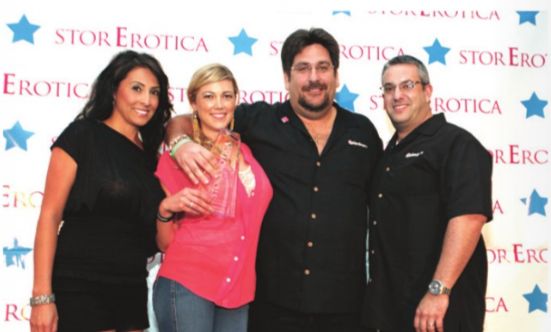
Now, with the closing of the ANME Founders Show, the StorErotica Awards will enter a new chapter and find a new forum. The tradition will continue. The faces will change. The products will evolve. The industry will keep moving forward.
But 16 years in Burbank is a legacy that doesn’t disappear when the lights go down.
The SE Awards may have found a new home.
They’ll never forget where they came from.











You must be logged in to post a comment.