

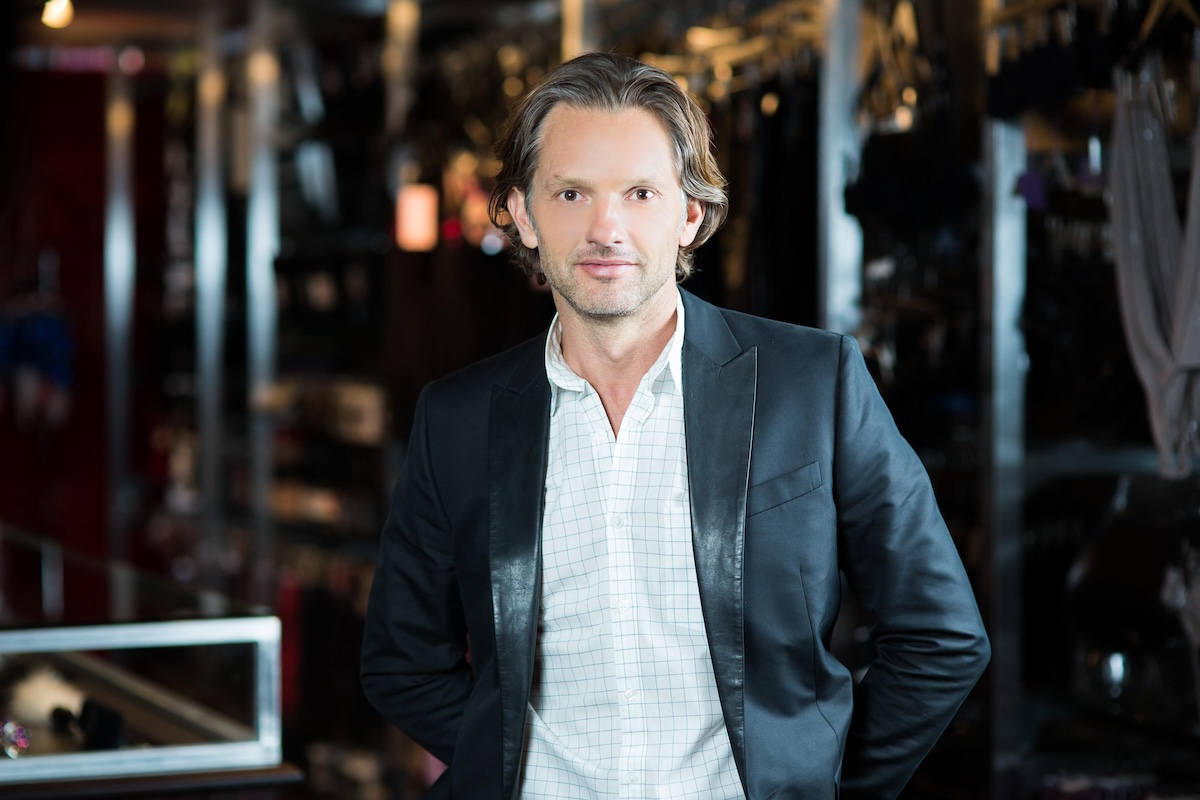
CEO Brian Robinson reflects on five decades of breaking barriers, building community and making pleasure shopping feel a lot less shameful.
For 55 years, The Pleasure Chest has been doing something that sounds simple but was anything but in 1971: making people feel comfortable buying things they were uncomfortable talking about.
The company began in New York’s West Village, just months after the Stonewall riots, when founders Duane Colglazier and Bill Rifkin opened what was initially intended to be a waterbed store. There was just one problem: The tiny storefront was only 47 inches wide by 12 feet long. Forget a showroom, a single waterbed wasn’t going to fit through the front door.
So the partners improvised. They began selling sex toys alongside their waterbed catalog business, and what started as a practical solution quickly revealed something much bigger. There was a market for an adult retailer that didn’t make customers feel like they were entering a forbidden zone.
At the time, adult stores often announced themselves with giant XXX signs, covered windows and an atmosphere designed to separate them from the rest of retail. The Pleasure Chest went in the opposite direction. Clean spaces. Good lighting. Visible merchandise. Knowledgeable employees. A welcoming environment.
In other words, a place where people could shop for sex toys without feeling ashamed of shopping for sex toys. To erase the stigma at all costs.
That philosophy became the foundation of a brand that would expand to Los Angeles in 1975 and Chicago in 1977, while becoming deeply intertwined with LGBTQ+ culture, sexual education and mainstream pop culture. The stores eventually became destinations for Hollywood productions, including “Pulp Fiction” and “Sex and the City,” while The Pleasure Chest name became synonymous with a more sophisticated, sex-positive approach to adult retail.
Brian Robinson, nephew of founder Duane Colglazier, has owned The Pleasure Chest for 30 years. He joined the company in 1996 and inherited a business with an extraordinary history, but also one that needed to evolve. Over the past three decades, he has helped modernize the stores, broaden their customer base, expand their educational programming and bring the original “big tent” philosophy into the digital age.
For Robinson, however, the secret to surviving 55 years isn’t complicated. It comes down to respect, human connection and giving people a place where they can ask questions without embarrassment.
“We rock people’s boats, and we’ve done it for decades,” Robinson says.
As The Pleasure Chest celebrates its 55th anniversary, Robinson sat down with StorErotica Magazine to talk about the company’s unconventional beginnings, its role in LGBTQ+ communities, Hollywood, education, e-commerce, the changing adult retail landscape and what his uncle might think of the business today.
SE: The Pleasure Chest began in 1971 as a waterbed store before pivoting into adult retail. What did Duane Colglazier and Bill Rifkin see happening in the market that convinced them there was an opportunity to create a different kind of adult retail?
Robinson: Duane and Bill decided they needed to fill up their new business selling waterbeds with something other than waterbeds since the physical space wouldn’t actually fit a bed. Customers had to order out of a book, and then they could come install it for them. With a small space but just an order book, they came up with an idea. Being located in the Village and starting business just a few months after the Stonewall riots, sex toys would be the perfect accompaniment to the unique bedroom feature. I guess maybe a rock-the-boat kind of theme but without leaving the comfort of home.
SE: Your first West Village location was just 47 inches wide by 12 feet long, yet the founders had an ambitious vision for it. What did they mean by giving The Pleasure Chest a “department store” feel, and how does that philosophy still influence the stores today?
Robinson: I think that department store idea came several years later. However, pretty quickly after first opening on 10th Street and Waverly Place in New York’s West Village, they moved to a bigger space on 7th Avenue South around the corner.
At the time, most adult shops were painted yellow or blue buildings with huge XXX and flashing “ADULTS ONLY” signs, I guess as a way to draw people in. But it did keep a lot of people out, which is how the idea Duane and Bill stumbled upon took off.
They created a clean space with great lighting, a helpful and knowledgeable staff and nice product selection and put in display windows as opposed to hiding things behind papered-over windows.
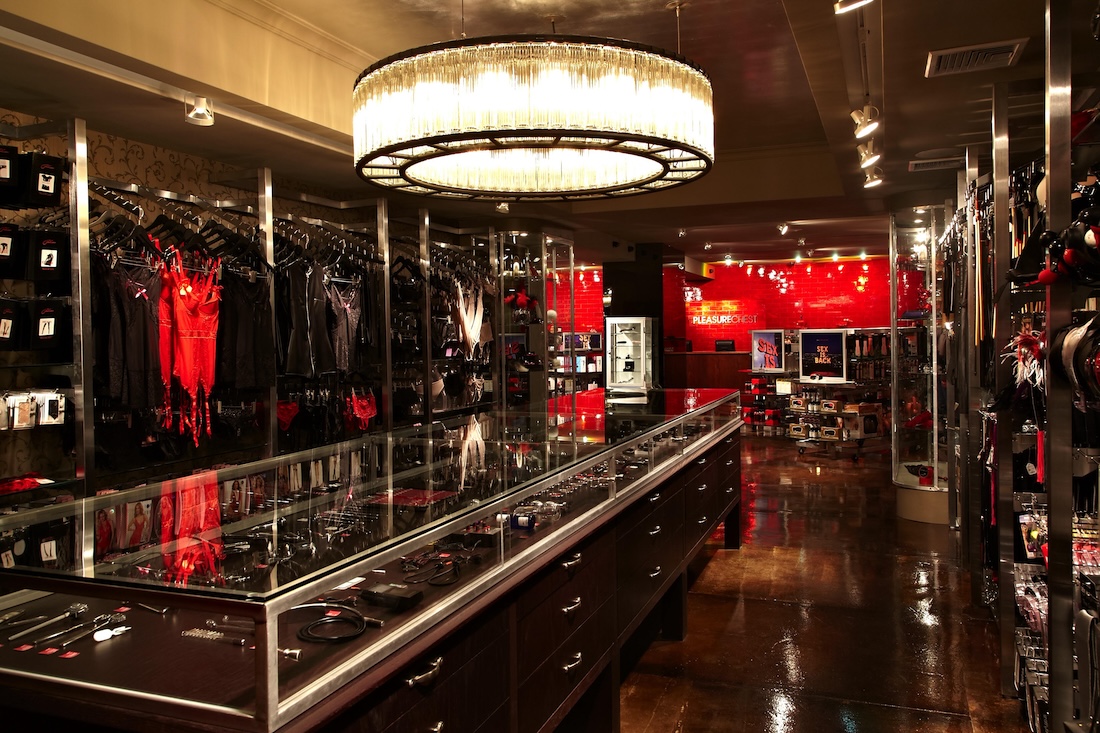
SE: At a time when adult stores commonly covered their windows and emphasized their “XXX” identity, The Pleasure Chest deliberately did the opposite. Why was that decision so important to the founders, and what did it communicate to customers?
Robinson: From what I know, the concept developed over time. With word getting out that locals didn’t have to go to an adult bookstore to pick up their bedroom essentials and could go to Pleasure Chest Waterbeds to get the items they needed instead, the new owners quickly found out there was a market and interest to develop a space that treated people with respect and not just overload customers with visuals of the most extreme basal desires. Not that those themes are bad.
SE: The Pleasure Chest opened during the sexual revolution of the ‘70s. How did the cultural changes of that era influence the products you carried, the customers you attracted and the way the business positioned itself?
Robinson: I was very young when my uncle opened The Pleasure Chest in 1971. Duane passed in 1988, as did Bill Rifkin a few years earlier. But when I started working with the stores in 1996, interestingly enough, they seemed straight out of the seventies: darkly themed, a big floor-to-ceiling, spectacular department-sized display window, a very fashionable customer base, mostly straight, doing their shopping carefree.
The salespeople at the time were mostly older gay men, usually wearing black leather vests and some smoking cigarettes behind the sales counter. A refresh was needed, and I got busy right away. The black leather vests and smoking vanished quickly, at least a decade or more too late, and soon the stores, the staff and the customers were more aligned.
SE: The company has deep roots in the LGBTQ+ community while also being a destination for couples and mainstream consumers. How has that customer base evolved over the decades, and how has The Pleasure Chest maintained its original sense of inclusivity while broadening its appeal?
Robinson: I think a lot of it happened naturally. Very quickly in the founding of the business, the owners created a “big tent” welcoming draw to everyone regardless of sexuality, background, physicality, beliefs, age. As long as they were consenting adults, anyone had a place where they felt like they belonged.
Part of the mission statement they created was, “We firmly believe that everyone has the fundamental right to pursue his or her sexual fulfillment in whatever manner he or she desires.” Self-empowerment was a lasting trend over these last 55 years.
SE: The AIDS epidemic of the ‘80s profoundly affected the communities The Pleasure Chest served, including the loss of members of its own leadership. How did that period change the company and its relationship with its customers and community?
Robinson: Remarkably, the strength of the brand and its mission lasted for almost 10 years while my uncle’s estate was being probated. During that time, the executor of the estate, Duane’s personal attorney for most of his professional life, oversaw the operations from a distance but always remarked how unusual it was for a company to lose its founders and still last for the better part of a decade. I would think a good idea that is well executed for years and with a team that’s committed to the vision has staying power.
“We rock people’s boats, and we’ve done it for decades.”
— Brian Robinson
SE: By the ‘90s, The Pleasure Chest had become part of Hollywood culture, supplying everything from fetish pieces to the costume used for the Gimp in “Pulp Fiction.” How did that relationship with Hollywood develop, and what did it mean for the store’s brand?
Robinson: I wasn’t part of the initial interaction with the costumers from “Pulp Fiction,” but with its extensive collection and its history in Hollywood, I’ve met many people in the industry with stories from years ago about how they would source items for their projects. The internet back then didn’t exist, so part of it was accessibility and proximity to these big Hollywood projects. With stores in New York, Los Angeles and Chicago, Hollywood does come knocking when needed.
In the ‘90s, I worked with the team creating “Sex and the City” to film the famous Rabbit Vibrator scene with Charlotte’s character. And later, “Entourage” wrote in their story that one of the main characters was dating a shop girl at The Pleasure Chest. Even in the last few years, “Hacks” and Kristen Bell’s “Nobody Wants This” have shot at The Pleasure Chest in West Hollywood. Numerous reality shows like “The Real Housewives” and comedy specials have also used the stores.
SE: Speaking of the famous Rabbit episode, what did that moment mean for The Pleasure Chest, particularly as the show helped bring conversations about female pleasure and sex toys into mainstream culture?
Robinson: That was such a fun scene and a really fun episode. Done with such impact and had a big social voice at the time. Unfortunately, the production didn’t use The Pleasure Chest name or signage in the episode, but many people could recognize the brand and the store.
For almost 20 years, it was on the film location “Sex and the City” tour in Manhattan, so that gave it a whole other life, with at times four buses a day of 50 to 60, mostly women and gay men, and of course other fans, coming through. Clearly the message was, “If the elegant and sexy, confident women of ‘Sex and the City’ can explore their own physical bodies without shame, then so can I.”
SE: The Pleasure Chest has remained relevant through several major transformations in adult retail, from the sexual revolution and AIDS crisis to the internet and today’s highly competitive e-commerce market and big box threat. What have been the biggest turning points in the company’s history?
Robinson: When almost six decades roll by, there are a lot of those moments. This December I’ll have worked with the company for 30 years, and for 10 years it lacked basic leadership beyond the local managers. It’s crazy to think that I’ll have worked with the brand for almost twice the amount of time my uncle did, from 1971 to 1988, but he accomplished so much and ingrained the concept in such amazing communities. I merely understood his original concept: Embrace everyone, respect all and treat your customers with the same warmth you want to be treated with.
The most recurring theme I hear from people over the years is how passionate the staff is in helping people explore ideas they have. There’s a barrier that is broken down inexplicably and then ideas and tips can be shared, whether it’s through the workshops that we have or one-on-one advice through the sales staff. People are so appreciative of having their questions and ideas be considered and knowledge being shared with care.
SE: The company describes inclusivity as something that informs everything from hiring and product selection to store design and community engagement. When did that become a deliberate business strategy rather than simply part of the company’s culture?
Robinson: Stores in every city definitely started out of the gay community, and certainly the staff reflected the community at the time. As the business developed, I did notice in the ‘90s that it was pretty insular to the gay community and less reflective of the customers as a whole.
Over time, it really became personality- and talent-driven and not tied to any particular background or type of person. I really wanted the staff to reflect the “big tent” embracement of our customers and variety in all types of people in our staff.
SE: TPC’s “PleasurEd” has offered nearly 1,500 free educational classes since 2008, reaching more than 30,000 attendees. Why has education become such an important part of The Pleasure Chest’s identity as a retailer?
Robinson: There is such a feeling of personal empowerment and agency when you can easily pick up a few pointers to build your ideas, interests and creativity on. These are very personal things, and many times built on shame from past experience, or culture or belief systems, yet the drive and interest in what turns us on is so strong and personal it is necessary for us to figure out our own path, as we do in our physical, mental and spiritual health. Sexuality and expression span all three legs of this triangle. How many businesses can say that?
SE: What have you learned from nearly five decades of watching customers’ attitudes toward sex, sexuality and pleasure change? Are there assumptions about adult retail that The Pleasure Chest has had to continually challenge?
Robinson: I think the biggest thing that I try to challenge that has encompassed us all is the amount of screen time that has infiltrated our lives. Our work time, our social time, our shopping time is separating us more and more. And our business is pleasure and passion. Just the opposite of the isolation screens create.
Even in my personal life, I’m figuring out ways to avoid screens as much as possible. How this plays out in the stores is we’re embracing the interaction that customers have with toys they can touch, feel how they work and turn to someone who has heard the same question a hundred times for assistance.
“I want the experience to feel like going to a village and being part of a community as opposed to a lonelier experience of just [ordering toys] online.”
— Brian Robinson
I want the experience to feel like going to a village and being part of a community as opposed to the lonelier experience of just ordering online. Of course, one of our efforts is to recreate our in-store experience on our website as much as possible for those who don’t live nearby or aren’t visiting New York, Chicago or Los Angeles. But if they are, we want them to feel the embrace of a warm welcome and encouragement to shake off unnecessary shame and try new things.
SE: The Pleasure Chest has managed to appeal simultaneously to convenience-driven shoppers, first-time customers, couples and luxury shoppers looking for unique pleasure products. How has the chain evolved its merchandising and in-store experience to serve such different customers?
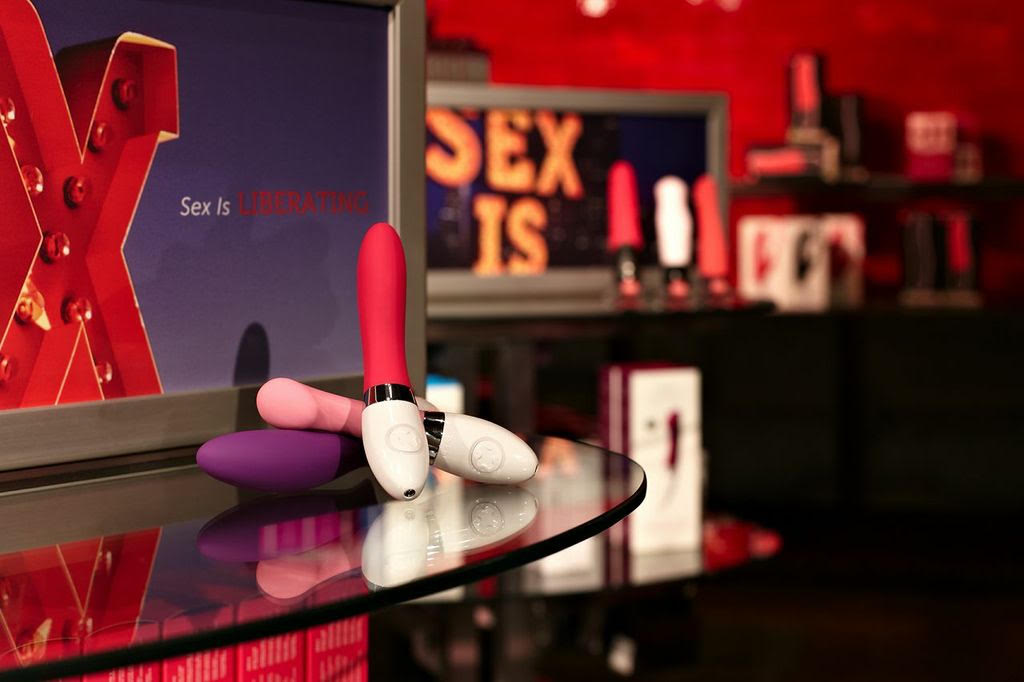
Robinson: The biggest change has been the quality of the toys, now mostly made from non-porous materials like silicone, surgical stainless steel and glass, which have all become shelf-worthy art pieces. Thankfully, the throwaway materials of the past containing phthalates are long gone, eliminating the stores’ former dildo smell and selling items that offer more value.
SE: With the launch of e-commerce in 2017, The Pleasure Chest entered a retail environment very different from the one its founders encountered in 1971. What elements of the original Pleasure Chest experience are essential to preserve as the business continues to evolve digitally?
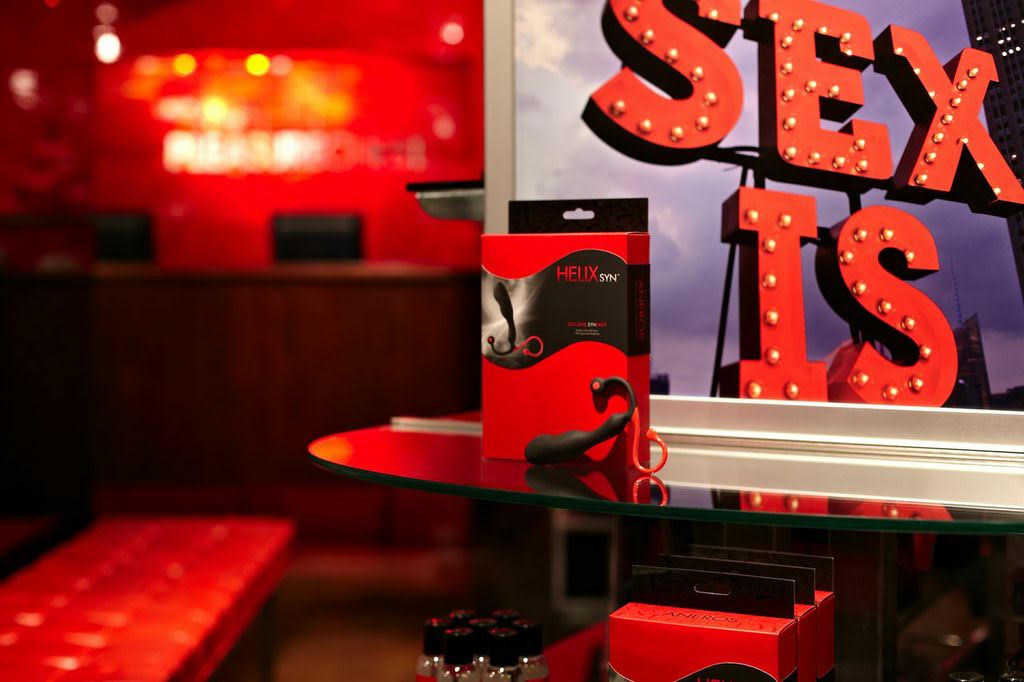
Robinson: We’ve kept elements of our education on our website through our blog and product pages. Keeping a large selection online, similar to what we have in the stores, has been important to us, ranging in price, size and function. We want our users to feel embraced with where they are in their journey or their life.
We’re also finding ways for our online community to experience what’s happening locally. We want them to feel included in elements that happen in stores, like celebrating our 55th anniversary, what the conversation is and the new things that we’re trying or talking about.
SE: After more than five decades, The Pleasure Chest is still evolving under your leadership. What lessons from the company’s history are most important to carry into its next chapter, and what do you think the founders would recognize about the Pleasure Chest of today?
Robinson: I’ve often thought about that. What Duane would see if he were looking at us now. I think he would recognize the overall theme he started of embracing everyone with respect, being helpful where we can, inspiring those who are ready and encouraging those of us raised in shame to embrace who we are, fulfill ourselves the way we find healthy and create the relationships and community that we want to be in.
In the last five years, we built a cannabis dispensary, opened a restaurant, bar and consumption lounge, now either operated by others or about to be, all with the idea of creating a community where people can chill, find entertainment, feel inspired, relax and most of all, enjoy time with their friends and make new ones, but in real time. I think Duane would be happy.
For more information, please visit thepleasurechest.com.
(Note: This article was published in the October issue of SE Magazine.)








You must be logged in to post a comment.