


Turn Locktober shoppers into loyal customers by ensuring your staff can answer basic questions about chastity products.
(Note: This Focus Extra appears in the October issue of SE Magazine.)
For adult retailers, October is about more than Halloween. It’s also the month when more customers stop in for chastity products, cages, accessories and related gear thanks to Locktober.
While longtime customers likely know exactly what they want, this kink challenge can also bring curious first-timers into adult stores who are looking at chastity products for the first time. They’ll probably have a lot of questions, and even though chastity is a niche category, it’s important that your staff can answer some basic questions about how the devices work, how long they can be worn, how a customer can determine their size and how to clean them.
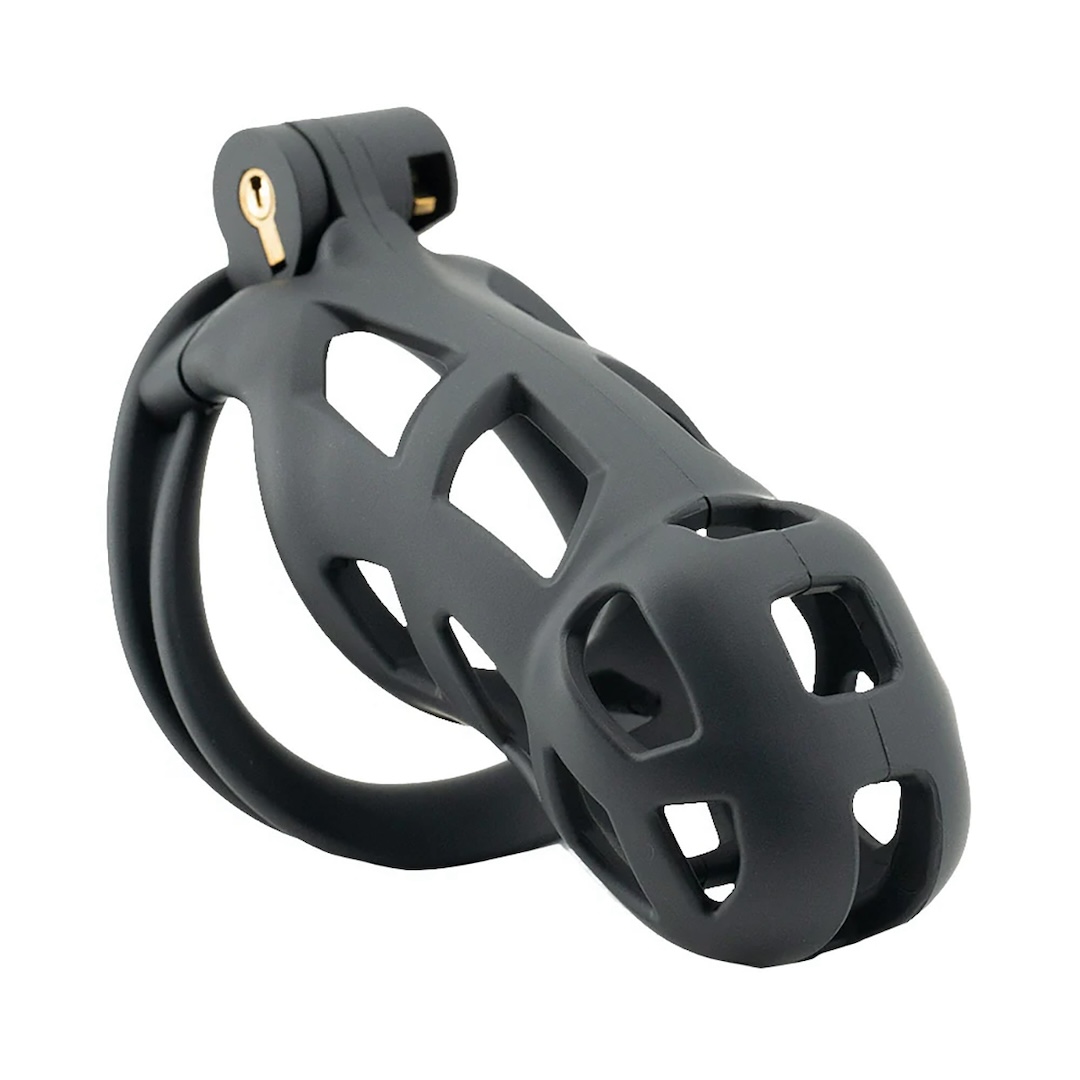
For retailers and sales associates, being prepared to answer these questions can make those conversations much easier and expand ticket sales. Locktober is the perfect opportunity to introduce customers to this niche category and educate them on fit, hygiene, consent and safe use. Don’t just aim to cash in on Locktober. Aim to turn first-timers who are inspired by Locktober into regular customers.
So, how can adult retailers prepare? First, your staff must be familiar with the Locktober challenge and its origins. Locktober is an informal month-long challenge centered around chastity and sexual denial. Participants typically commit to wearing a chastity device for some or all of October, although there is no official rulebook.
Unlike established holidays or organized events, Locktober doesn’t have a single founder or official starting point. The term emerged from online chastity and kink communities around 2015, and it has since spread through online communities and social platforms.
For some, Locktober is a solo challenge involving self-locking and personal rules, while others participate with a partner who serves as a keyholder and determines when the device can be removed. Some participants will even follow a modified version with scheduled unlocks for cleaning, travel, work or other practical considerations. As mentioned earlier, there is no rulebook.
Unless a store’s customer base is largely made up of members of the kink community, staff will often know very little about the few (if any) chastity products they carry. So, to help prepare retailers for Locktober, here are the answers to some of the most common chastity product questions.
“How do I know what size I am?”
Sizing is one of the most important conversations a retailer can have with a first-time chastity customer. Cock cages are not one-size-fits-all, and choosing a device based on photographs or estimates won’t work. A poorly fitting cage can cause discomfort, chafing and unintended removal, so retailers should answer this question with another question: “Did you take any measurements?”
If their answer is no, guide them towards a kit that comes with interchangeable rings or components that give users more flexibility with fit. It can also be helpful to explain the basic differences between their options. Lightweight plastic or resin devices may appeal to beginners because they can be relatively light and affordable, while stainless-steel models offer a different feel and construction.
If their answer is yes, that narrows things down a bit. While required measurements can vary from one product to another, in general, cock cages require measuring the length, girth and base girth of a flaccid penis. Most brands offer a sizing guide to assist with the process.
Overall, the key message should be that fit matters more than appearance. A device that looks great but doesn’t fit properly isn’t going to bring that customer back into your store.
“Can I wear it all day and all night?”
Customers may assume that because Locktober lasts a month, a chastity device is automatically designed for uninterrupted month-long wear. That’s not necessarily the case.
Duration depends on the specific product, its fit and the individual wearer. Extended wear can increase the possibility of discomfort, skin irritation, pinching, numbness, swelling and circulation problems.
For beginners, retailers can recommend testing a new device for shorter periods before attempting longer wear. Customers should also follow the manufacturer’s instructions regarding cleaning, maintenance and wear.
And perhaps most importantly, discomfort should not be treated as something a customer simply needs to “push through.” Pain, numbness, significant swelling, unusual discoloration, coldness or difficulty urinating are reasons to remove the device and, when symptoms are serious or persistent, seek medical attention.
Retail employees aren’t doctors, so the goal isn’t to provide medical advice. It’s to make sure customers know where the line is between normal adjustment and a potential safety issue.
“How often do I need to clean it?”
This is another area where retailers can provide valuable guidance, but most customers who are new to chastity won’t think to ask. Instead of waiting for them to breach the subject, ask them this: “Have you thought about how you’re going to clean and maintain it?” For a beginner, that question may be more helpful than immediately discussing elaborate features.
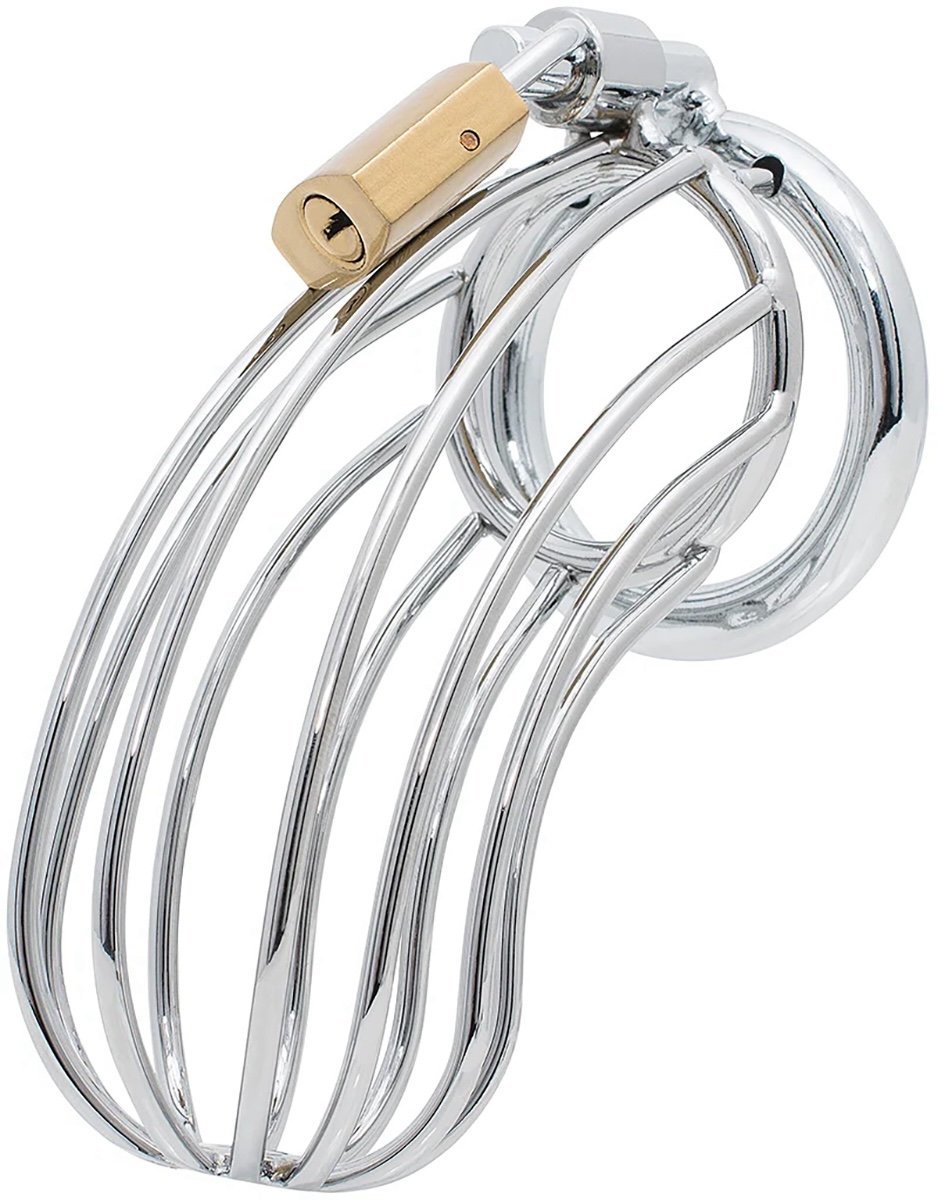
Because chastity devices sit against the skin for extended periods, cleaning and drying are especially important. Customers should follow the manufacturer’s care instructions and make sure they understand how that particular device is cleaned.
Retailers can also consider merchandising chastity devices alongside appropriate cleaning products and other accessories.
“Do I need specific underwear?”
A simple answer to this question: “No.” Most cock cages can be worn with any type of underwear, but tighter underwear tends to provide better support. If your store carries chastity belts, you can offer that for additional reinforcement.
“What else do I need?”
This is where retailers can expand ticket sales. Depending on the customer’s needs and what’s in stock, accessories may include spare keys, cleaning supplies, chastity belts, storage solutions or replacement components. Customers may also be interested in complementary products for teasing, sensation or couples’ play.
But the best add-on conversation starts with the customer’s experience rather than a checklist of products. Ask them what they’re trying to accomplish.
“Is this your first chastity device?”
“Are you participating with a partner?”
“Do you plan to wear the cage for extended periods?”
Their answers can help determine what products actually make sense.
Turning curious customers into regulars
Locktober can bring curious first-time shoppers through your doors, but the bigger opportunity is turning those shoppers into regular customers. Start by making their first experience comfortable and informative.
Answer their questions, help them find the right fit and recommend accessories based on their needs rather than simply pushing add-ons. Keep the relationship going after the sale with loyalty programs, email newsletters, social media and new-product updates.
And don’t pack away the chastity display on November 1. Keeping the category visible year-round gives customers a reason to return when they’re ready to replace, upgrade or explore something new.
The goal isn’t just an October sale. It’s building a customer relationship that lasts beyond Locktober.
For more information, visit locktober.com.










You must be logged in to post a comment.