

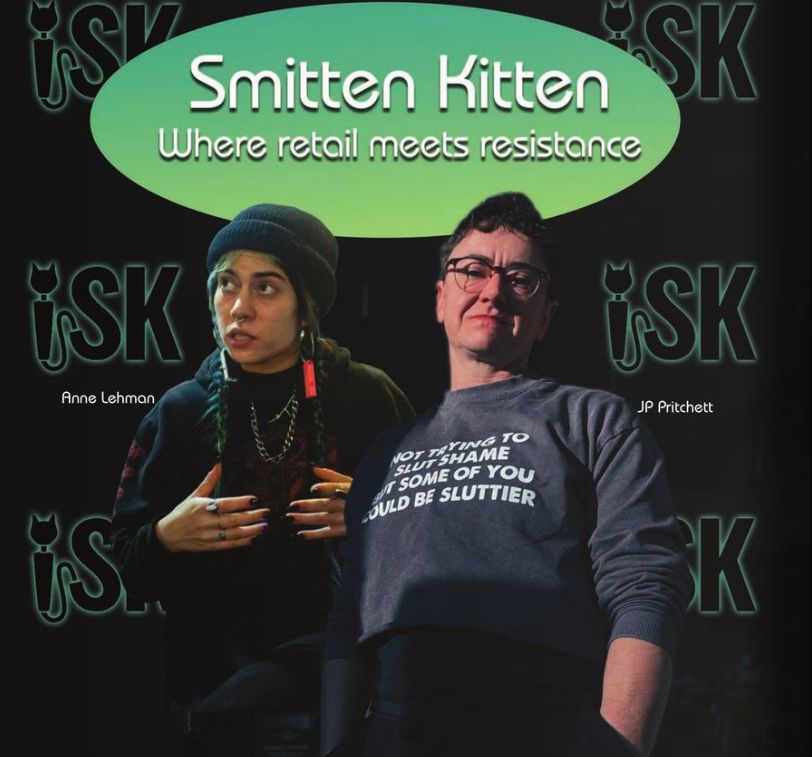
Named StorErotica’s 2026 Boutique Retailer of the Year, JP Pritchett and Anne Lehman of Smitten Kitten in Minneapolis share how Operation Metro Surge has reshaped their community and the lasting impact it has had on their lives.
For more than two decades, Smitten Kitten has redefined what an adult retailer can be time and time again. Founded with the mission to bring queer and trans-inclusive pleasure education, community and sex-positive culture to Minneapolis, owner JP Pritchett has long viewed adult retail as a means to support meaningful social change. The store helped pioneer consumer education surrounding sex toy material safety, influencing countless retailers that followed and helping raise industry standards nationwide.
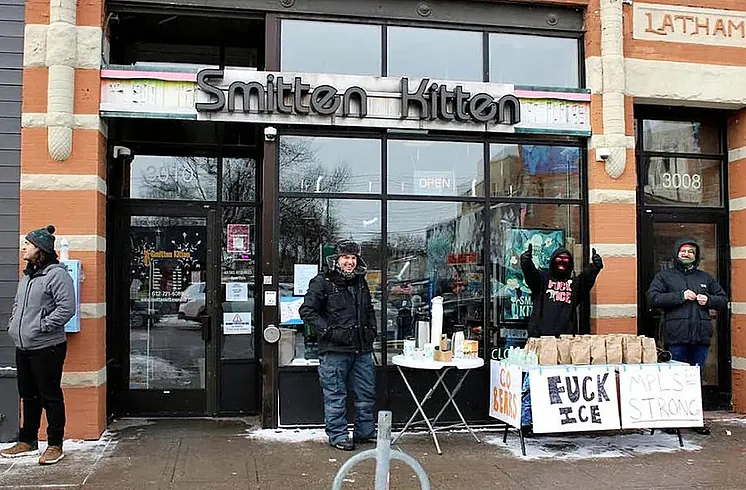
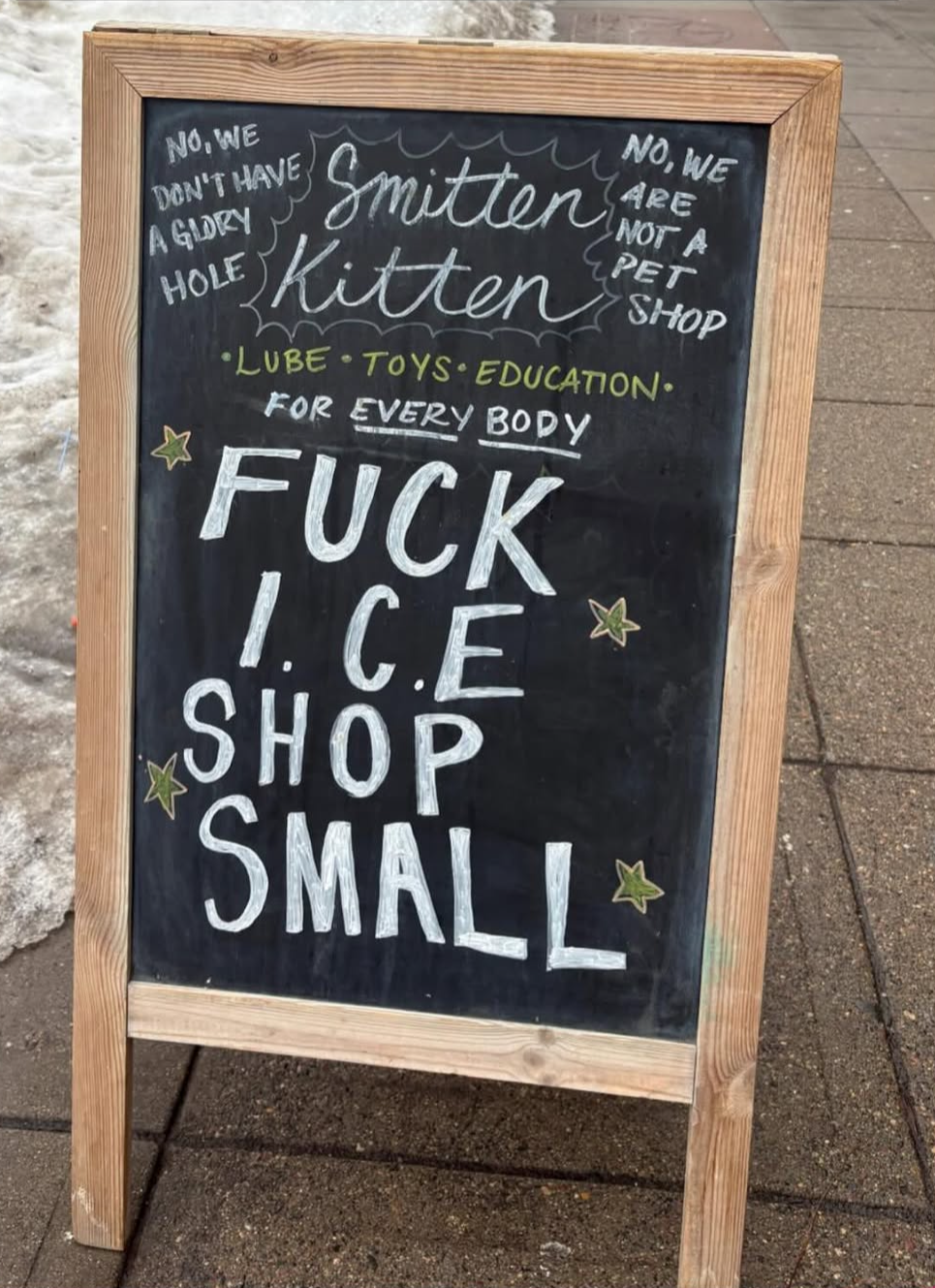
As Minneapolis grapples with the impact of ongoing ICE enforcement operations, Smitten Kitten has stepped up, transforming the store into a donation center, collecting essential items for increasingly desperate members of the community. It’s this selfless contribution as well as their commitment to education, advocacy and activism that has earned Smitten Kitten recognition as StorErotica’s 2026 Boutique Retailer of the Year.
In this interview, Pritchett is joined by the store’s social media manager, sex educator and mutual aid organizer Anne Lehman to discuss the values that have shaped the business and the challenges that continue to test it. They share how ICE raids have affected their employees, customers and neighborhood, offering a deeply personal perspective on the fear and emotional strain their community has been navigating.
SE: Tell us a bit about Smitten Kitten’s origin story.
Lehman: After having inadequate sex ed during their upbringing and an unfortunate first encounter with adult toys, Smitten Kitten’s founder JP Pritchett chose to open a brick-and-mortar adult toy shop that offers clear and concise pleasure-based information about reproductive health. Through this, we have helped people through hundreds of thousands of “first times,” coming out, pregnancy, transitioning, breakups, divorce, sobriety, cancer, sexual assault and more.
SE: What makes Smitten Kitten different from a more traditional adult retail environment?
Lehman: Our motto at Smitten Kitten is “people over property.” We believe that putting time, money and care into our community creates a stronger network for all of us. So, we make an effort to support the communities that support us, and it always comes back to us tenfold. It costs zero dollars to be kind, and people remember when you show up for them.
SE: What’s an example of how that motto is implemented into store policy?
Lehman: While retail theft has always been a concern for brick-and-mortar stores, we believe that it’s never worth it to call the authorities and potentially put someone in danger over a sex toy. Who cares? Is it expensive sometimes? Absolutely. Is it worth a human life? Absolutely not.
The same thing goes for the quality of products we choose to carry. Does it cost more to shop here than in big-box stores? Most of the time, yes. But this enables us to pay our employees a living wage and gives our customers peace of mind knowing the materials they’re using won’t cause chemical burns or hormonal imbalances. Instead of gaining repeat customers by carrying toys that break within the first year of use, we would rather sell quality products at a higher price point, knowing that our customers will gain more than just a few orgasms. This business model almost always results in loyal long-term customers who trust us and feel comfortable disclosing their personal journeys, which help us better serve them.
When ICE caught on to what we were doing, they began circling our block, driving past our store to spit at us, cussing us out and trying to intimidate us and neighboring businesses.
— Anne Lehman
SE: How important have education and community outreach been to your business model from the beginning?
Pritchett: Education and community outreach are Smitten Kitten’s primary purposes. Our organizational model is community building and empowerment, and we fund that work with adult retail sales. This is intentional, and our organization is built from the ground up this way because, as an adolescent, I needed this support, and it wasn’t available in the Twin Cities at the time.
SE: What does it mean to you and your team to be nominated for SE’s Boutique Retailer of the Year? Editor’s Note: Neither Lehman nor Pritchett were aware of Smitten Kitten’s win at the time of this interview.
Lehman: This year has been absolutely insane. Equally crushing and uplifting due to the horrific events that unfolded in our city. To be nominated for this award is an honor and a privilege in itself. To be acknowledged by our industry peers for the efforts we put into our business year after year in such an uncertain world is indescribable. None of it has felt real. Being recognized as a retailer in this industry is a dream come true for all of us. The fact that people even know who we are is absolutely crazy.
SE: How did Smitten Kitten become a donation center for members of the community?
Lehman: Going into 2026, we felt like we were, in a way, slowly regaining our footing. Our neighbors at the Isuroon Foundation (a local Somali women’s shelter) asked us to raise funds for immigration lawyers on their behalf, and we ended up raising $18,000, which covered the bill for about two families. But we felt like we needed to do more.
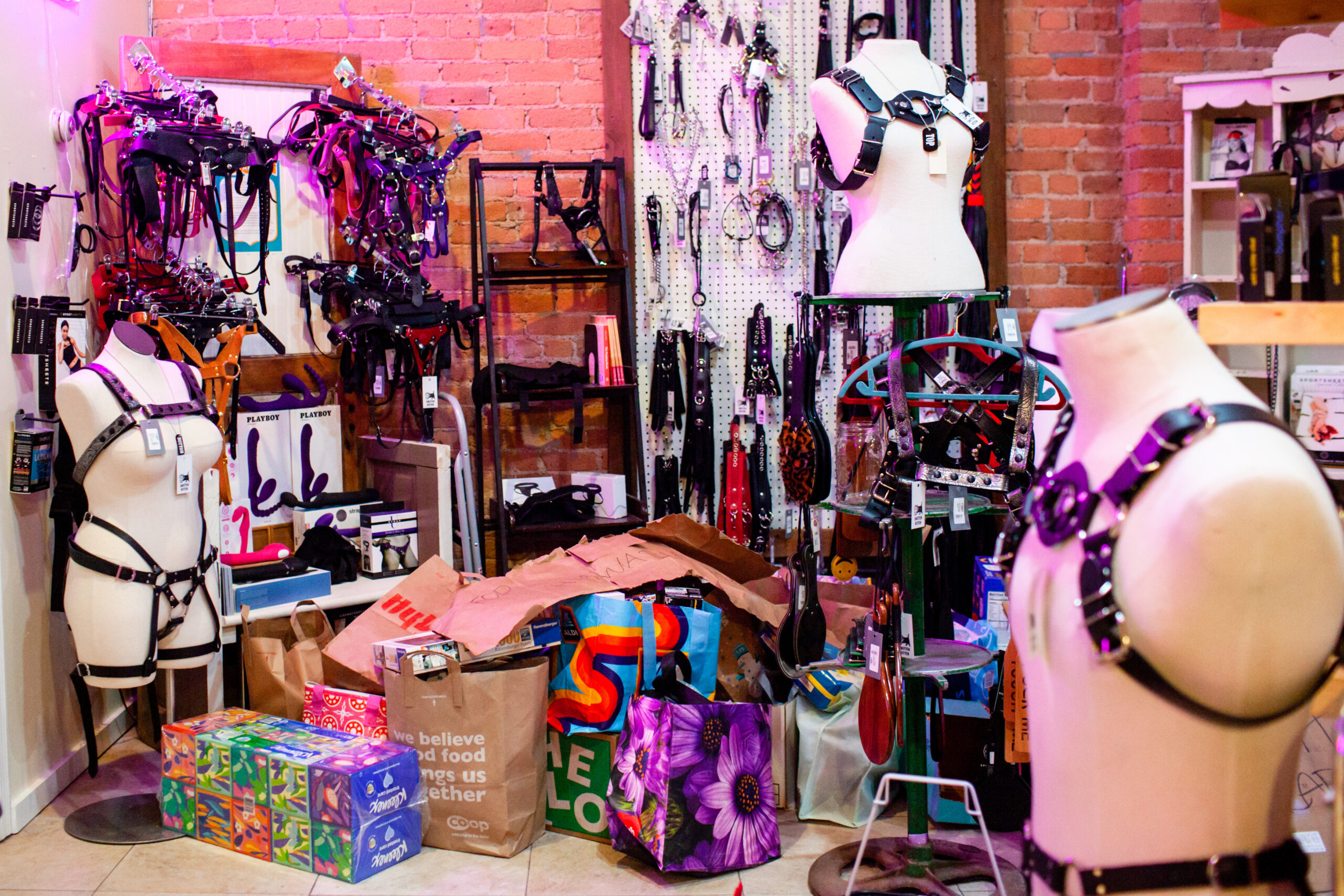
The day Renee Good was murdered just miles from our store, JP and I briefly opened and then closed after deciding to attend the memorial and protest that followed. It felt like an important time to be surrounded by the community as we all took in the disbelief and disgust over what had happened. The next day, I witnessed an ICE abduction right in front of our store while I was opening. Just days later, we decided to open as a donation center for home essentials benefiting families who had been hiding out for months at this point.
Around this time, our neighbors at Wrecktangle Pizza were distributing pizzas from their empty prep kitchen to feed kids who were missing school due to ICE-related closures. That’s when it clicked that people who had been hiding out needed so much more than pizza. Anything you wouldn’t have access to during a blizzard or a hurricane would be a necessity. So we began asking folks to bring toilet paper, diapers, food, cleaning supplies and art supplies for kids and families who were basically trapped inside their homes. The community responded with so many donations that we couldn’t reach the shelves anymore. At this point, we got in contact with local schools and social workers to help distribute the donations because our tiny store couldn’t handle the volume of what we were receiving.
SE: How did ICE react to Smitten Kitten acting as a donation center?
Lehman: When ICE caught on to what we were doing, they began circling our block, driving past our store to spit at us, cussing us out and trying to intimidate us and neighboring businesses. They began following people leaving our store who were trying to deliver resources to the families hiding out. We had to move our operation at that point because we had instances of desperate families sending documented relatives into the store while they waited in the car, praying they wouldn’t get stopped. Several times, little kids who recognized me from Instagram waved from the back seat of their family’s car while they waited for their aunties to pick up what they needed inside the store.
SE: How have you managed to get through the day-to-day of ICE’s presence?
Lehman: Throughout this experience, we have lived with the mantra of “no one is coming to save us” and “if you want to see something change, you must do it yourself.” This includes feeding people, providing Narcan, protecting each other from ICE, providing accurate sex education and body-safe toys.
The level of devastation is equivalent to that left behind by a natural disaster, except this time it’s a man-made disaster and the federal government did it to us.
— JP Pritchett
SE: At what point did you realize your social media had become more than just a marketing tool and could be used to tell the story of what was happening in Minneapolis?
Lehman: When we noticed our number of views and engagement skyrocketing, we realized this was a crucial opportunity to tell the real story of what was unfolding in our city through the eyes of lifelong Minneapolis residents. It was now our responsibility to tell the country what was happening. The fact that we were a sex store was fascinating to the rest of the world, but just second nature to us. Since then, we have been working our asses off.
SE: For those of us who aren’t there to see it in person, can you describe what it’s like in Minneapolis right now?
Lehman: It’s heavy. Many groups that were extremely active in January and February have burned themselves out. Media attention has withered, and fundraising efforts have become more and more difficult as the needs of our community continue to grow. Just because the federal government announced a “drawdown” doesn’t mean that ICE has left our city and that our community is back to normal. We experienced families being torn apart, cars left empty in the middle of roads with babies and animals left in the back seats due to ICE kidnappings. We watched as our elected officials poured money into systems that take no meaningful action against the devastation left behind in the wake of Operation Metro Surge. The ripple effect of this will last for generations.
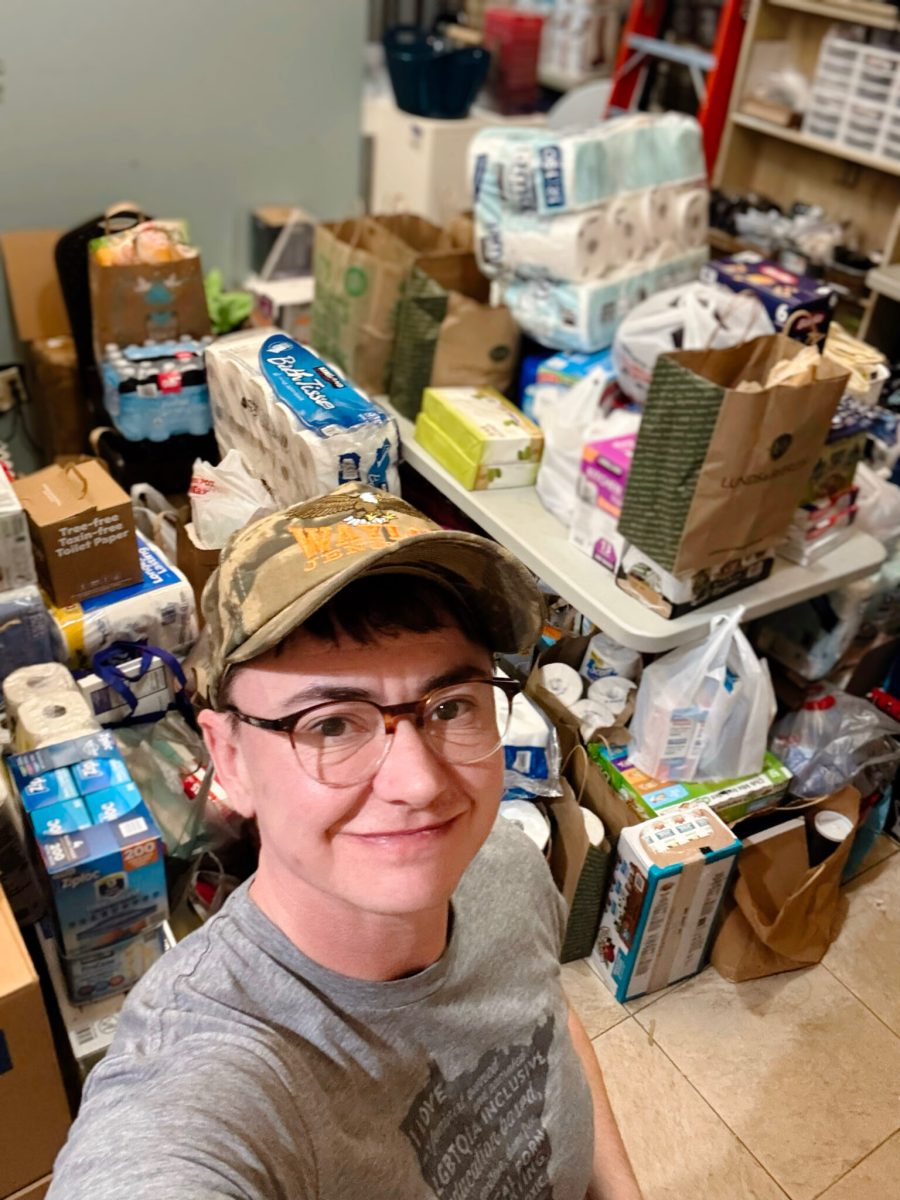
Pritchett: The level of devastation is equivalent to that left behind by a natural disaster, except this time it’s a man-made disaster and the federal government did it to us.
SE: What has the community’s response been like, and how has it evolved over the months?
Lehman: The way that our community came together to protect each other was inspiring as hell. But, as media attention has died down, people are beginning to believe that Operation Metro Surge is over. This is absolutely not the case. Just because you aren’t seeing cell phone videos of our citizens being murdered in the streets does not mean that families aren’t still hiding out, kids aren’t still separated from their parents and people aren’t still dealing with inhumane conditions in holding cells.
At the same time, we have developed so many lifelong friendships throughout the hardships we have experienced over the last year. There are folks who continuously show up with bottled water, snacks, money and resources for the unhoused community, the immigrant community and the LGBTQ+ community. We are so grateful and relentless in our passion to help others.
SE: How has this impacted your staff, store traffic and sales?
Pritchett: It’s been wild. We were close to closing last year, and then our community came through. How could we not be there in return? Most of our current staff started as volunteers assisting with donations. As we were raising money for the community, folks started buying sex toys, and our volunteers really stepped up. Everyone on our staff is tough as nails and resilient as hell. It has to be that way with what we all work through regularly. Helping nervous customers find products that address their sexual health concerns while simultaneously striving to meet the needs of the unhoused population in our neighborhood is a lot to balance at one time.
All of us have a deep passion for helping others, and we are learning to adjust our boundaries and make sure we take breaks to maintain our sanity through it all. We had 300 customers on Valentine’s Day alone. The store was so packed you couldn’t walk. It was incredible given the fact that we had almost closed our doors eight months prior. We have always been a place people knew they could come to with personal questions, and now that has expanded significantly.
SE: Was there a specific moment or incident that first made you realize ICE’s presence would drastically impact the store’s ability to operate?
Lehman: For me, it was a combination of seeing Renee Good’s murder unfold on Instagram just two miles away and opening the store a few days later while someone was being abducted by an unmarked ICE vehicle, steps away from Smitten Kitten. We live and work within a neighborhood that is often saturated with heavy police presence, but to us, that means danger and violence towards the most vulnerable people in our community.
SE: How have conversations inside the store changed in recent months as community anxiety has increased?
Pritchett: Smitten Kitten has always been a place for firsts. First vibrators, first conversations about pleasure, first time experiencing menopause, first time feeling seen and accepted. In recent months, those conversations have shifted in ways we never expected. Alongside questions about intimacy and relationships, we’re talking about ICE raids, families making emergency plans, whether or not someone should carry a weapon and what to do if a loved one disappears.
In the middle of all this fear, we are also laughing, though. I remember when ICE came to intimidate the Lavender District. (Editor’s Note: The Lavender District is a growing LGBTQ+ district in Minneapolis.) They threw tear gas on the corner of West Lake Street and Lyndale Avenue South, and this old man just winds up and kicks it back into the ICE vehicle. Anne now has a tattoo of it. A reminder of a brief moment of humor in an otherwise frightening situation.
Whether you pay attention or not, human rights issues affect us all. And if you think differently, it’s because you’re in a place with enough privilege to ignore it.
— Anne Lehman
SE: Can you share a moment that really captures what those first months were like?
Lehman: January and February had a lot of 18-hour days and 80-hour work weeks. We vividly remember the times we helped neighbors who had never been in our shop before pick out the diaper sizes and baby formula they needed and the type of shampoo they wanted. They hadn’t been able to get to a store for months due to being forced to hide out in their homes. All while dildos and sex toys lined our walls. When there is an emergency of that scale, no one cares that we’re a sex shop, and it’s fucking awesome. In the middle of the chaos, I remember a person randomly asked for lube, and I was like, “Oh my god, yes! I forgot we even do that.”
SE: What kinds of support or resources has Smitten Kitten tried to provide for employees, customers or neighbors impacted by these situations?
Lehman: We’ve tried to respond to what our community actually needs and is asking for, rather than assuming we know the answers. That has meant connecting people with social workers, immigration attorneys, therapists and individuals who can deliver groceries or provide help to those who were moving. We’ve hosted community meetings, helped facilitate wellness checks when people were worried about loved ones, raised money for rent relief and used our space to connect neighbors with resources and each other.
Our goal hasn’t been to replace organizations that specialize in this work, but to be a trusted place where people can find information, make connections and know they’re not navigating this shit alone. This work genuinely takes a village. The people in our current administration have the money and the military resources. But we have the numbers and we’re being led by the people who’ve been fighting racism, fascism and police brutality for decades.
SE: How do you balance being a retail business while also responding to urgent social and community needs?
Lehman: It’s chaotic to say the least, but this isn’t something we do to encourage sales or improve our business. We aren’t the type of people who wait for someone else to take care of others when they are suffering right on our doorstep. We watched our elected officials and government allow ICE to tear through our community and fail to take meaningful outreach action. Did we equally balance running a business and aiding the community at the height of ICE’s presence? Absolutely not. Did we lose profit? (And probably our minds?) Absolutely. But to be able to show up for our community quickly, in meaningful ways, before anyone else was fucking priceless. And while it wasn’t our intention, it has made a lasting legacy beyond what JP and Smitten Kitten’s staff have dedicated thousands of hours to over the past 22 years.
SE: Have these events changed the way your staff approaches customer service, employee safety or internal communication?
Pritchett: Absolutely. You can’t go through something like this and not change. Our store, while still a business, prioritizes people’s needs. We protect each other. We make sure everyone is getting home or sleeping somewhere dry.
SE: Are there any policies or practices that have helped you and your team stay resilient during difficult moments?
Lehman: Practicing patience and empathy. We try our best to keep these at the front of our minds during high-stress times. Also, keeping in mind that under the current circumstances, no one is coming to save us, and we need to keep each other safe. Every day brings a new opportunity to try again and to make a tangible difference in someone’s day or life.
SE: In your opinion, why is it important for adult retailers to remain engaged with issues affecting their local communities?
Lehman: Marginalized communities have always taken care of each other, because we are used to having no one. Kink was invented by poor queer folks. We wouldn’t all be where we are now without them. It’s imperative to our survival that we learn to trust each other and work together rather than allow the oppressive systems we live under to turn us against each other. Especially when they are already out here actively trying to erase us.
Whether you pay attention or not, human rights issues affect us all. And if you think differently, it’s because you’re in a place with enough privilege to ignore it. Especially in the adult retail industry, the powers that be have always pushed their censorship agendas on our communities first before introducing it to the masses. So it’s important to pay attention and remain outspoken.
SE: What advice do you have for other adult retailers who are looking for ways to support their own communities but may not know where to start?
Lehman: We often find ourselves holding space for our customers’ vulnerable, private and personal information. So when it came time to expand on that by helping our vulnerable neighbors who were ICE targets, it just made sense. At Smitten Kitten, we are always focused on the ancient harm reduction proverb of “meeting people where they are at.” This same principle applies to our community members affected by Operation Metro Surge and the terror and trauma that ripped through our city. The best way we’ve been able to help is by focusing on what helps people function at the most basic level, like rent money, groceries, water and a safe person to vent to.
We like to reflect and remind ourselves that marginalized communities such as BIPOC people, sex workers and queer people have existed through underground support networks for many years. There is no need to reinvent the wheel. This work has been done before, and it’s the reason we are all here today. It’s important to look to the past to see what carried our communities through the darkest times. For example, we took a lot of inspiration and knowledge from the American Indian Movement, a grassroots indigenous activism group established in response to police brutality in Minneapolis in 1986.
SE: What are you most hopeful about for the future of Smitten Kitten and the community around it?
Lehman: Continuing to grow the education and support around immigration, trans rights, the Black, Brown and Indigenous communities and teaching people about what it means to be part of a reciprocal relationship inside your neighborhood. I look forward to watching the darkest times bring out the best of our communities’ organizing capabilities and knowing that there are more caring, compassionate people in our midst than evil ones. Metro Surge will take a lifetime of effort to heal from.
For more information, visit linktr.ee/smittenkittenmn and follow @SmittenKittenMN on Instagram. Note, this article was published in the August 2026 issue of SE Magazine.











You must be logged in to post a comment.